People looking for alloy wheels typically want to improve a vehicle’s aesthetic appeal, reduce unsprung weight for better handling, or increase the heat dissipation of the braking system. While purchasing a new set of aftermarket alloy wheels is the standard path to these results, it is not the only way to achieve a specific look or performance profile. Depending on your budget, vehicle usage, and long-term goals, there are several alternative routes that provide similar outcomes without the commitment of a new purchase.
Is buying used alloy wheels a viable alternative?
Buying used alloy wheels allows you to acquire high-quality materials and designs at a lower cost than retail. This route involves sourcing wheels from private sellers or specialized used-wheel dealers who have already removed the rims from a previous vehicle. The cost is significantly lower than new wheels because the initial retail markup and shipping fees are removed from the price.
This alternative beats buying new wheels when the specific design you want is discontinued or when you want a high-end forged wheel that would otherwise be cost-prohibitive. However, this route stops making sense if the wheels show signs of structural fatigue, such as cracks or severe curb rash, or if the bolt pattern and offset do not perfectly match your vehicle’s requirements.
Where these choices show up in our reviews
3 reviewed options, $189 to $1893.99, with the full write-up behind each name.

Alcoa Style Hub Piloted Forged Truck Bus Wheel
$1893.99 price checked August 2026
If you own one, see our guide to the best alloy wheels for honda accord.

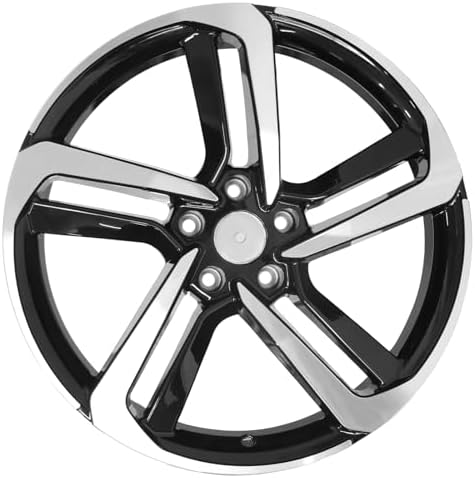
Premium Aluminum Alloy Wheel Rim Gloss Black
$224 price checked August 2026
Read our full Aluminum Alloy Rim review
Proper fitment is vital, so learn how to choose your center bore.
What are the benefits of refurbished alloy wheels?
Refurbished alloy wheels are used wheels that have been professionally restored to a “like-new” appearance and structural integrity. This process involves stripping the old finish, repairing minor surface imperfections, and applying a new powder coat or paint. The cost is higher than buying used wheels but lower than buying new ones.
Refurbishing beats buying new wheels when you already own a set of wheels that are aesthetically damaged but structurally sound. It is a cost-effective way to refresh a look without the expense of a full replacement. This option stops making sense if the wheel has a significant hub bore mismatch or a structural crack, as these issues cannot be fixed by a cosmetic refurbishment.
To ensure the right fit, determine the correct diameter for alloy wheels.
Can OEM factory replacements provide the same result?
OEM factory replacements involve purchasing the original equipment manufacturer wheels that were sold with the vehicle when it was new. These are often available as “take-offs” from vehicles that have been upgraded to larger aftermarket wheels. The cost is generally lower than aftermarket alloy wheels because they are sold as surplus inventory.
This route beats buying aftermarket wheels when your primary goal is a “factory” look and guaranteed fitment. Because these wheels were designed by the vehicle manufacturer, they are guaranteed to match the original bolt pattern and offset. This option stops making sense if you require a specific offset or wheel diameter that the original manufacturer never offered for your specific model.
Can wheel wraps provide an aesthetic alternative?
Wheel wraps involve applying a high-quality vinyl film over your existing wheels to change their color or texture. The cost is much lower than buying new alloy wheels, as it only covers the material and the labor of application. This route provides an immediate visual change without altering the physical properties of the wheel.
Wrapping beats buying new wheels when your only goal is a color change and you are satisfied with the current weight and performance of your current wheels. It is an ideal solution for a temporary look or for protecting the original finish. This method stops making sense if you need to reduce unsprung weight or improve brake cooling, as a vinyl wrap does not change the physical mass or material of the wheel.
Comparison of Alloy Wheel Alternatives
| Alternative Route | Who it suits | Main Advantage | Where it breaks down |
|---|---|---|---|
| Used Alloy Wheels | Budget-conscious enthusiasts | Low entry cost for high-end designs | Risk of structural fatigue or hidden damage |
| Refurbished Wheels | Owners of damaged wheels | Restores appearance of existing wheels | Cannot fix structural cracks or hub mismatches |
| OEM Replacements | Purists seeking factory fit | Guaranteed fitment and “stock” look | Limited to designs offered by the manufacturer |
| Wheel Wrapping | Style-focused drivers | Lowest cost for a color change | Provides no performance or weight benefits |
When is buying new alloy wheels the right choice?
Buying new alloy wheels is the correct choice when you require specific technical specifications that are not available through other means. If your vehicle requires a specific offset to clear suspension components, or if you need a specific load rating for a heavy-duty truck, new wheels ensure the specifications are met exactly. It is also the correct choice when you need a guaranteed warranty on the structural integrity of the material. If you require a specific weight reduction to improve handling, or a specific diameter to increase the stance, new wheels provide the only way to ensure the material meets those exact engineering requirements.