

Car Forum World is reader-supported: some links on this page are affiliate links, and as an Amazon Associate Car Forum World earns from qualifying purchases at no extra cost to you. Learn more.
A steering cylinder provides the mechanical force to turn wheels or heavy machinery components by converting hydraulic pressure into linear motion. A buyer needs to determine if a new unit is required or if an existing system can be restored to functional parameters. You must measure the current stroke length and bore diameter of your setup to ensure any replacement or alternative system matches the physical geometry of the existing linkage.
How does repairing an existing steering cylinder compare to buying a new one?
Repairing an existing steering cylinder involves replacing internal seals, bushings, and potentially the piston rod or cylinder tube. This route is often the first choice for fleet operators who have a functional housing but a leaking or sluggish internal assembly. Repairing saves the cost of a new casting and shipping, which can represent 60% of the total unit cost in heavy machinery applications. It beats buying a new unit when the external housing shows no signs of structural cracking or severe pitting. This option stops making sense if the cylinder tube has significant wall thinning or if the internal bore is scored beyond the ability of a honing tool to smooth it.
If you are working on a backhoe, see the best power steering cylinder for Case 580C 580D to ensure proper operation.
The cost of cylinder seal kits and labor
A standard seal kit for a hydraulic cylinder typically costs a fraction of a new unit, but labor for disassembly and pressure testing adds to the total. If a cylinder is leaking from the rod gland, a new seal kit might resolve the issue for under 10% of the cost of a replacement. However, if the rod is bent or the bore is ovalized, the labor cost of machining the cylinder can exceed the price of a new, smaller-bore unit.
Classic car enthusiasts should explore the best power steering cylinder for Mustang 1965-1966 for restoration.
Where these choices show up in our reviews
3 options shown here, $109 to $169, each with its own full review behind its name.


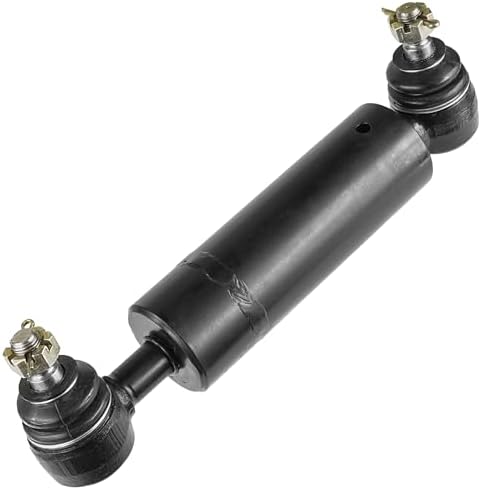
Is a refurbished steering cylinder a viable alternative?
A refurbished steering cylinder is a used unit that has been stripped, inspected, and rebuilt to a functional standard by a specialist. This route provides a middle ground between a high-cost new unit and a risky “as-is” used part. Refurbished units are often sold with a limited warranty, which provides a level of security that private sales do not offer. This beats buying new when the budget is constrained but the risk of a total failure in a high-load environment is unacceptable. It stops making sense when the specific stroke length or mounting orientation required is non-standard, as refurbishers often work on common models only.
New users should start by viewing how a steering cylinder works.
The value of a certified rebuild
Refurbished units often include a pressure test certificate, ensuring the cylinder holds the rated bore pressure during operation. For a 3-inch bore cylinder, a refurbished unit might cost 50% less than a new one while maintaining the same operating pressure limits. The risk of a refurbished unit failing is highest in high-duty cycle applications where internal wear occurs rapidly.
For a detailed spec breakdown, see our Power Steering Cylinder full review.
What are the mechanics of manual steering systems?
Manual steering systems use physical leverage, such as a steering wheel connected to a linkage or a manual pump, to move the wheels without hydraulic assistance. This route removes the need for a hydraulic power unit, hoses, and a steering cylinder entirely. Manual systems are significantly cheaper to maintain because there are no seals to leak or fluid to replenish. This beats buying a hydraulic steering cylinder when the vehicle is a low-speed utility cart or a trailer where the weight does not require high-force actuation. It stops making sense when the weight of the vehicle exceeds the human capacity to turn the wheels, typically at weights over 2,000 lbs for basic lever systems.
You can see our SX Power Steering Actuator spec breakdown for more technical details.
The limits of manual leverage
Manual systems are limited by the mechanical advantage of the steering arm and the physical strength of the operator. If a machine requires 500 lbs of force to turn the wheels at a full lock, a manual system will fail to provide adequate response. In these cases, the lack of hydraulic multiplication makes manual steering impossible for heavy equipment.
How do secondhand steering cylinders compare to new ones?
Secondhand steering cylinders are used components sold in “as-is” condition from salvage yards or private sellers. This is the lowest-cost route for obtaining a steering cylinder, often costing 10% to 30% of the new price. It beats buying new for non-critical applications, such as a project vehicle or a piece of equipment that will only see occasional use. It stops making sense when the cylinder is used in a safety-critical system where a seal failure could lead to a total loss of steering. Because the internal wear of the piston and bore is unknown, a secondhand unit can fail immediately under full bore pressure.
Detailed performance data is available in our D128454 Power Steering Cylinder review.
The risk of unknown bore wear
A secondhand cylinder may appear functional but can have internal scoring that causes it to “stick” under load. If the internal diameter is even slightly oversized due to wear, the cylinder will lose its ability to hold pressure, leading to a “mushy” steering feel. This risk is highest in cylinders that have been used in high-heat environments like heavy construction.
Check the technical specifications in our 84-50012AN Ram Assist review.
Comparison of steering cylinder alternatives
| Route | Who it suits | Main advantage | Where it breaks down |
|---|---|---|---|
| Repairing Cylinder | Owners of high-quality, intact housings | Lowest cost for functional hardware | When the cylinder tube is cracked or scored |
| Refurbished Units | Budget-conscious fleet operators | Balance of price and tested reliability | When non-standard dimensions are required |
| Manual Steering | Low-weight utility vehicles | No hydraulic system required | When vehicle weight exceeds manual force limits |
| Secondhand Parts | Project builds or low-use machines | Lowest possible acquisition cost | In safety-critical or high-pressure applications |
When is buying a new steering cylinder the right choice?
Buying a new steering cylinder is the correct choice when the application involves high-pressure requirements or safety-critical movements. If the machine requires a bore pressure rating above 2,000 PSI, a new unit ensures that the internal tolerances and seal materials are rated for that specific stress. It is also the correct choice when the required stroke length is unique to a specific machine, as salvaged or refurbished parts may not align with the existing mounting points. When the cost of a potential failure—such as a loss of steering during a heavy lift—exceeds the cost of the hardware, a new cylinder is the only reliable option.
More steering cylinder explainers and comparisons
- Choosing the Best Steering Cylinder for Massey Ferguson Tractor
- The Power Steering Cylinders That Work Best for John Deere
- Which Power Steering Actuator Is Best for Volvo Penta?
- Best Power Steering Cylinder for 1965-1966 Mustang
- Heavy Duty Steering Cylinders for Case 480B 480C Compared
- Which Power Steering Cylinder Is Best for Case 580C 580D?