When shopping for a car alternator, most listings use a mix of critical electrical specifications and vague marketing descriptors. To find a reliable replacement, you should focus on the amperage output, the voltage regulation standards, and the physical mounting points. You can ignore subjective adjectives like “heavy-duty,” “high-performance,” or “premium,” as these terms lack standardized definitions and do not provide a measurable performance metric. A reliable alternator is defined by its ability to meet the specific electrical load of your vehicle’s systems while maintaining a steady voltage and fitting the existing mounting architecture.
Car Alternator Electrical Capability Terms
- Amperage (Amps) – This measures the total electrical current the alternator can produce to charge the battery and power accessories. You need a value that meets or slightly exceeds your vehicle’s factory requirement to ensure the system does not under-provide power during high-load tasks like running the AC and headlights simultaneously.
- Voltage (V) – Most modern vehicles operate on a 12V or 14V system, with the alternator producing a slightly higher output to charge the battery. You must match the standard voltage of your vehicle’s electrical system to avoid damaging sensitive electronics.
- Output Rating – This is the maximum current the alternator can provide under full load. A higher rating allows for more auxiliary electronics, but selecting a rating significantly higher than your vehicle’s requirements may lead to unnecessary weight or cost.
- Duty Cycle – This refers to the percentage of time an alternator can operate at its maximum output without overheating. A higher duty cycle indicates a more robust internal cooling design and heavier-duty internal components.
- Voltage Regulation – This is the internal mechanism that keeps the output steady despite changes in engine speed or electrical load. Reliable regulation ensures the voltage stays within a narrow range, typically between 13.5V and 14.5V for a 12V system.
Where these choices show up in our reviews
These 3 have their own full review on this site, and run from $107.95 to $134.99.

DB Electrical 400-52252R 12V 130A Remanufactured Alternator
$108.99 price checked August 2026
If you own a Dodge Journey, you can view the best alternator for Dodge Journey 2009-2020 to ensure perfect compatibility.

BMW I6 2.2L 2.5L 3.0L 3 and 5 Series Alternator
$107.95 price checked August 2026
Owners of German luxury vehicles can compare the best alternator for BMW 3 Series X5 to see which units offer the most reliable power output.
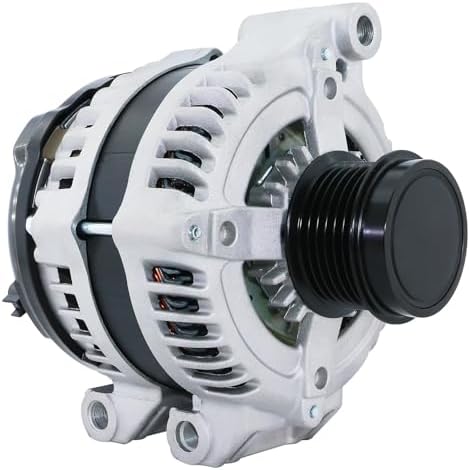
Dodge Grand Caravan Journey Avenger Town & Country
$134.99 price checked August 2026
To better understand the hardware options available, you should learn about the different types of car alternators and how they function.
Read our full Dodge Grand Caravan Journey Avenger Town & Country review
Car Alternator Physical and Mechanical Specs
- Pulley Diameter – This is the measurement of the alternator’s drive wheel. You must match the original pulley diameter exactly; an incorrect size causes the serpentine belt to slip or wear prematurely, leading to charging failure.
- Mounting Bracket – This is the physical hardware that secures the alternator to the engine block. You must ensure the bracket configuration matches your vehicle’s specific engine layout, as different engines often use different bolt patterns or orientations.
- Housing Material – This refers to the metal casing, often made of aluminum or heavy-duty cast iron. While material choice affects weight and heat dissipation, the primary requirement is that the housing matches the factory bolt pattern for a secure fit.
- Internal Cooling Fins – These are the ridges on the alternator housing designed to dissipate heat. More extensive finning can help in high-heat environments, ensuring the unit maintains its output rating during prolonged operation.
- Weight (lbs/kg) – This is the physical mass of the unit. While a heavier alternator may indicate more robust internal components, you should prioritize a weight that is compatible with your vehicle’s existing mounting points.
Car Alternator Compatibility and Sourcing Terms
- OEM Part Number – This is the original equipment manufacturer’s unique identifier for the part. Matching this number is the most reliable way to ensure the electrical connector, mounting points, and pulley size are correct for your specific vehicle.
- Remanufactured – This indicates a used alternator that has been disassembled, cleaned, and rebuilt with new internal components like brushes and bearings. These units often offer a lower price point while providing a functional warranty.
- New / Production Unit – This is a brand-new alternator manufactured from raw materials. These units typically offer the longest service life and are the standard for buyers who want to avoid the risks associated with rebuilt components.
- Tier 1 Manufacturer** – This refers to the original equipment manufacturers, such as Denso or Bosch, who supply parts to vehicle factories. Choosing a Tier 1 equivalent ensures the unit meets the same engineering standards as the factory-installed part.
- Connector Pin Configuration – This describes the layout of the electrical plug. Even if the alternator physically fits the engine, a mismatch in pin configuration will prevent the vehicle from starting or charging correctly.
Commonly Confused Car Alternator Terms
Buyers often confuse several terms that sound similar but serve different roles in the vehicle’s electrical system.
- Alternator vs. Starter – An alternator provides power while the engine is running to keep the battery charged and electronics active. A starter is a separate motor that only engages to turn the engine over from a stopped position.
- Amperage vs. Voltage – Voltage is the “pressure” of the electricity, while amperage is the “volume” or flow. You need both to be correct; a high-amperage alternator with incorrect voltage will damage your car‘s computer.
- Remanufactured vs. Refurbished – Remanufactured units are stripped down and rebuilt to meet specific factory standards with new internal parts. Refurbished units may only have been cleaned and tested, often lacking the rigorous rebuild process of a remanufactured unit.
- Pulley Size vs. Belt Path – Pulley size is the diameter of the alternator’s wheel. Belt path refers to the entire route the serpentine belt takes around the engine; while the pulley must be the correct size, it must also be positioned so the belt can reach it.