Alloy wheels are automotive wheels manufactured from an aluminum or magnesium alloy rather than traditional steel. These wheels serve as the primary structural interface between a vehicle’s drivetrain and the road, supporting the vehicle’s weight while allowing the tires to rotate and grip the surface.
The primary problem alloy wheels solve is the trade-off between weight and strength. Steel wheels are heavy and durable but add significant unsprung mass to a vehicle. By using alloy materials, manufacturers can create a wheel that is substantially lighter than steel while maintaining the structural integrity required to handle high-speed cornering, heavy braking, and the constant impact of road debris.
How do alloy wheels work?
Alloy wheels function by distributing mechanical stress across a specific geometric structure designed for the material’s properties. The process of transferring motion from the car to the ground happens in these steps:
- The engine delivers torque to the axle, which turns the wheel hub.
- The hub rotates the center bore of the alloy wheel, which is the central mounting point.
- The spokes of the alloy wheel distribute this rotational force outward toward the rim.
- The rim holds the tire in a pressurized bead, ensuring the rubber maintains contact with the pavement.
- The alloy material absorbs and dissipates heat generated by friction and braking, maintaining the structural stability of the wheel.
Alloy Wheels we have reviewed in detail
Prices across these 3 run from $189 to $1893.99; each one has a full review here.

Alcoa Style Hub Piloted Forged Truck Bus Wheel
$1893.99 price checked August 2026
Read our full Alcoa Style Hub Wheel review
Owners of this sedan can compare the best alloy wheels for honda accord to find the perfect match for their vehicle.

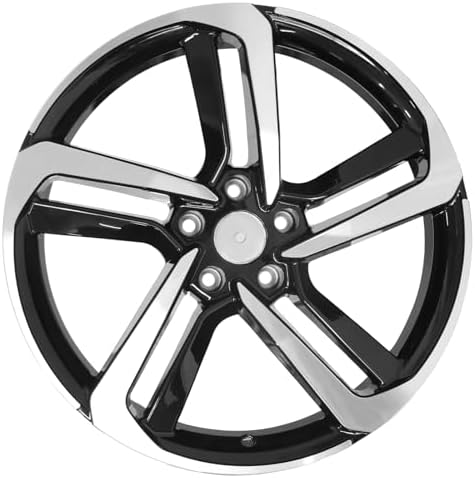
19 Inch Alloy Wheel Rim for Honda Accord
$189 price checked August 2026
You can find top rated alloy wheels for nissan altima by browsing our curated list of compatible options.
Alloy wheel specifications and terms
Understanding alloy wheel specifications ensures the wheel fits the vehicle and performs as intended. Each technical standard dictates a different physical result for the driver.
Bolt Pattern and Hub Bore
The bolt pattern is the specific arrangement of holes on the wheel face, such as 5×114.3, which determines if the wheel can physically bolt to the vehicle’s hub. The hub bore is the diameter of the center hole; a correct hub bore ensures a press-fit that prevents the wheel from wobbling or vibrating during high-speed travel.
Offset (ET) and Center Bore
Offset, often labeled as ET, measures the distance between the wheel’s mounting surface and its centerline. A positive offset moves the wheel further inward toward the suspension, while a negative offset pushes it outward toward the fender. Incorrect offset can lead to the wheel rubbing against suspension components or protruding past the fender lip.
Forged vs. Cast Wheels
The manufacturing method determines the wheel’s structural benchmark. Cast wheels are made by pouring molten alloy into a mold, which is the standard for most consumer vehicles. Forged wheels are created by shaping a solid block of metal under extreme pressure. Forged wheels offer higher strength-to-weight ratios and are the standard for high-performance applications where weight reduction is the priority.
To understand the technical details, view our guide on alloy wheel terms and specs for a clearer breakdown.
Load Rating
Load rating is the maximum weight a wheel can safely support. If a wheel’s load rating is lower than the weight of the vehicle, the wheel may structurally fail or crack. This is a critical check for heavy-duty trucks or SUVs where the weight of the cargo and passengers is significant.
How do alloy wheels change performance?
Switching to alloy wheels changes the vehicle’s dynamics by reducing unsprung mass and improving heat management. Unsprung mass is the weight of the components not supported by the suspension, such as the wheels, tires, and brakes. Reducing this mass allows the suspension to react faster to bumps and changes in the road surface, leading to a more responsive feel in the steering.
In terms of braking, alloy wheels dissipate heat more efficiently than steel. Because the alloy material conducts heat away from the brake rotors quickly, the wheels help prevent brake fade during heavy use. This is particularly noticeable during repeated stops in hilly terrain or during spirited driving.
In some situations, the difference is negligible. If the vehicle is used primarily for low-speed commuting or heavy-duty hauling where weight is not a concern, the performance gains of a high-end alloy wheel over a standard steel wheel may not be perceptible to the driver.
Who needs alloy wheels?
You need alloy wheels if you prioritize handling, aesthetics, or heat dissipation in your driving experience. Drivers of sports cars, performance sedans, or enthusiasts who want to customize the look of their vehicle benefit most from the weight savings and variety of designs available in the alloy market.
You do not need alloy wheels if your primary concern is the lowest possible purchase price or if you operate a vehicle that requires maximum durability against severe impacts. Steel wheels remain the standard for many commercial fleet vehicles and budget-conscious commuters because they are less expensive to replace and highly resistant to heavy impacts.