When shopping for alloy wheels, distinguishing between load-bearing technical specifications and marketing vocabulary is essential for a successful purchase. Terms like “aerodynamic,” “high-performance,” and “sport-inspired” are subjective descriptors that do not impact the physical fitment or structural integrity of the wheel. You should prioritize objective data points—specifically bolt patterns, offsets, and load ratings—which determine whether a wheel will physically bolt onto your vehicle and safely support its weight. Identifying these critical specs early prevents the risk of purchasing wheels that are aesthetically pleasing but functionally incompatible or structurally insufficient.
Alloy Wheel Compatibility and Fitment Terms
Compatibility terms define the physical interface between the alloy wheel and your vehicle’s hub and suspension system.
- Bolt Pattern – This is the number of lug holes and the distance between them, such as 5×114.3. You must match your vehicle’s specific pattern exactly, as a mismatch means the wheel cannot be mounted.
- Hub Bore (or Center Bore) – This is the diameter of the center hole in the wheel. A wheel with a bore larger than your hub is common and can be centered with rings, but a bore smaller than your hub will prevent the wheel from mounting.
- Offset (ET) – This number describes how far the mounting surface is from the wheel’s centerline. A lower offset moves the wheel outward, while a higher offset moves it inward; you must choose a value that allows the wheel to clear your brakes and suspension without rubbing the fender.
- Diameter – This is the total size of the wheel in inches. Larger diameters allow for larger tires and different aesthetics, but they also increase unsprung weight and can change the ride quality.
- Width – This is the measurement of the wheel from inside wall to inside wall. A wider wheel provides a larger contact patch for tires, but you must ensure the width remains compatible with your vehicle’s offset to avoid rubbing.
- Backspacing – This is the distance from the mounting surface to the back of the wheel’s barrel. A larger backspacing number means the wheel sits deeper into the wheel well, which is often necessary for trucks or vehicles with narrow fenders.
Where these choices show up in our reviews
These 3 have their own full review on this site, and run from $189 to $1893.99.
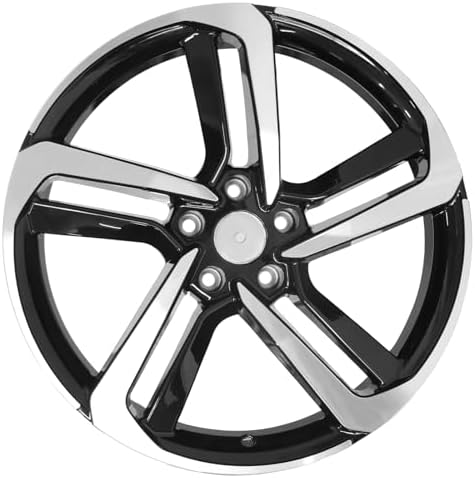
19 Inch Alloy Wheel Rim for Honda Accord
$189 price checked August 2026
Read our full Honda Accord Rim review
If you own this sedan, see our guide on finding the best alloy wheels for honda accord.

Nissan Altima 18×7.5 Machined Aluminum Alloy Wheel
$193.98 price checked August 2026
Read our full Altima Alloy Wheel review
Understanding the different designs is easier when you compare the various types of alloy wheels.

Alloy Wheel Material and Strength Terms
Material and strength terms describe the construction methods and physical limits of the wheel’s structure.
To understand the basic mechanics, learn how an alloy wheel is actually made.
- Cast Alloy – This refers to wheels made by pouring molten aluminum into a mold. Cast wheels are generally more affordable and are the standard for most passenger vehicles.
- Forged Alloy – These wheels are created by hammering a solid block of aluminum into shape. Forged wheels offer a higher strength-to-weight ratio than cast wheels, making them a premium choice for high-performance applications.
- Load Rating – This is the maximum weight a wheel can safely support. You must ensure the load rating exceeds the Gross Vehicle Weight Rating (GVWR) of your vehicle to prevent structural failure or cracking.
- Flow Formed – This is a manufacturing process that combines the cost-effectiveness of casting with some of the strength of forging by spinning the wheel under high pressure. It sits between cast and forged in terms of price and durability.
- Unsprung Weight – While not a wheel spec alone, this refers to the mass of the wheels and tires that is not supported by the suspension. Lower weight in this category improves handling and acceleration, which is why forged wheels are often preferred by enthusiasts.
Alloy Wheel Finish and Coating Terms
Finish terms describe the surface treatment and aesthetic durability of the wheel’s exterior.
- Powder Coating – This is a dry finishing process where a powder is electrostatically applied and cured under heat. It is more durable and resistant to chipping than standard liquid paint.
- Machined Face – This refers to a process where the front surface of the wheel is carved by a CNC machine to reveal the raw aluminum. It provides a bright, metallic look that contrasts with painted inner barrels.
- Gloss Coat – This is a clear layer of paint applied over the base color. A higher-quality gloss coat provides better UV protection and helps prevent the underlying paint from fading or oxidizing.
- Corrosion Resistance – This refers to the wheel’s ability to withstand salt and moisture. While all aluminum alloys have some resistance, specific coatings are required to prevent white oxidation or pitting in snowy climates.
Common Alloy Wheel Term Confusions
Several terms in the wheel industry are frequently confused by buyers, leading to ordering errors.
Wheel Diameter vs. Tire Diameter
Wheel diameter refers only to the metal rim, while tire diameter includes the rubber. You must ensure the wheel diameter you choose is compatible with the tire size required for your vehicle’s speedometer and clearance.
Offset vs. Backspacing
While related, offset is a measurement relative to the wheel’s centerline, whereas backspacing is a measurement from the mounting surface to the back of the barrel. You can have a high offset with low backspacing depending on the wheel’s design.
Cast vs. Forged
Cast wheels are poured into a mold and are the standard for most cars. Forged wheels are compressed into shape and are stronger and lighter. You should choose forged wheels only if you require the specific weight savings or extreme durability of a forged construction.
Reviewed by the Car Forum World editorial team. Car Forum World writes these guides from the 200 most-reviewed alloy wheels listings in our retail dataset, not from manufacturer copy.