There are four meaningfully different types of alloy wheels categorized by their manufacturing process and structural design. The primary dimension that separates these types is the method used to shape the metal, which dictates the wheel’s weight, structural integrity, and price point. This distinction determines whether a wheel is designed for daily durability, high-performance handling, or heavy-duty load capacity.
What are Cast Alloy Wheels?
Cast alloy wheels are formed by pouring molten aluminum or magnesium into a mold to create a specific shape. This process allows for complex, multi-spoke designs that are common in the automotive aftermarket. Cast wheels are the standard for most passenger vehicles because they balance cost-effectiveness with reliable structural integrity.
Benefits of Cast Construction
Cast alloy wheels provide a wide variety of aesthetic designs and are generally the most affordable option in the alloy category. They are durable enough to withstand standard road debris and daily driving cycles. Because the manufacturing process is highly scalable, these wheels represent the most accessible entry point for upgrading from factory steel wheels.
Limitations of Cast Design
The casting process can result in microscopic air pockets or “porosity” within the metal, which limits the maximum stress the wheel can handle compared to forged alternatives. Cast wheels are also heavier than forged options, which can slightly increase unsprung weight. They sit at the lower end of the price spectrum relative to forged or flow-formed wheels.
Where these choices show up in our reviews
Prices across these 3 run from $189 to $224; each one has a full review here.

Premium Aluminum Alloy Wheel Rim Gloss Black
$224 price checked August 2026
If you want to maintain your vehicle’s original appearance, explore the best replacement alloy wheels for stock look.
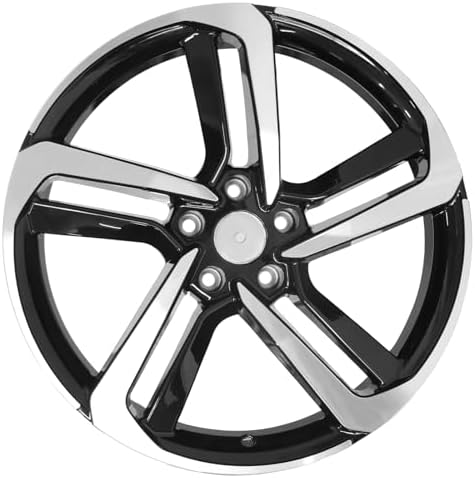

Nissan Altima 18×7.5 Machined Aluminum Alloy Wheel
For a deeper dive into the mechanics, see how an alloy wheel works.
$193.98 price checked August 2026
What are Flow-Formed Alloy Wheels?
Flow-formed alloy wheels are created by taking a cast blank and spinning it at high speeds under extreme pressure to compress the metal and align the grain structure. This hybrid manufacturing process sits between casting and forging in terms of both performance and cost.
Benefits of Flow-Forming
Flow-formed wheels offer a significant increase in strength-to-weight ratios over standard cast wheels. By compressing the metal, the grain structure becomes more uniform, allowing the wheel to withstand higher loads and lateral forces. They provide a middle-ground solution for enthusiasts who want better performance than a cast wheel but do not have the budget for a full forged set.
Limitations of Flow-Formed Design
While stronger than cast wheels, flow-formed wheels do not achieve the same level of structural density as forged wheels. They are also more expensive than cast wheels due to the additional spinning and pressing steps required in production. They sit in the mid-range price bracket.
To better understand the technical details, view our guide to alloy wheel terms and specs.
What are Forged Alloy Wheels?
Forged alloy wheels are produced by taking a solid block of aluminum and hammering or pressing it into shape using massive amounts of force. This process eliminates internal voids and creates a very dense, high-strength grain structure.
Benefits of Forged Construction
Forged alloy wheels offer the highest strength-to-weight ratio available in the market. Because the material is so dense, the wheels can be made thinner and lighter while maintaining extreme structural integrity. This reduces unsprung weight, which improves suspension response, steering feel, and acceleration. They are the primary choice for track use and high-performance sports cars.
Limitations of Forged Design
The primary trade-off for forged wheels is the high cost of production and the limited range of available designs compared to cast wheels. The manufacturing process is labor-intensive and requires specialized machinery. Forged wheels sit at the highest end of the price spectrum.
Comparison of Alloy Wheel Types
| Wheel Type | Best-Fit Buyer | Main Advantage | Main Compromise |
|---|---|---|---|
| Cast Alloy | Daily drivers and budget-conscious owners | Low cost and design variety | Higher weight and lower strength limits |
| Flow-Formed | Enthusiasts seeking a performance balance | Improved strength-to-weight ratio | Higher price than cast wheels |
| Forged Alloy | Track-focused and high-performance builds | Maximum strength and lowest weight | Highest cost and limited designs |
How to Choose the Right Alloy Wheel Type
Determining which alloy wheel type fits your needs depends on your specific usage requirements and your budget. Check the following conditions to identify the correct category for your vehicle.
Choose Cast Alloy Wheels if:
- You prioritize a lower purchase price over weight savings.
- Your primary use for the vehicle is commuting or general road use.
- You want a wide variety of visual styles and spoke patterns.
Choose Flow-Formed Wheels if:
- You want a performance upgrade but cannot justify the cost of forged wheels.
- You drive a performance-oriented vehicle that sees occasional spirited driving.
- You need a wheel that can handle higher load ratings than a standard cast wheel.
Choose Forged Alloy Wheels if:
- You intend to use the vehicle on a racetrack or for competitive autocross.
- Reducing unsprung weight is a primary goal for your suspension tuning.
- Your budget allows for the highest tier of manufacturing and durability.
What to Confirm Before Ordering
Regardless of the alloy type selected, you must confirm specific measurements to ensure the wheels fit your vehicle. A hub bore mismatch can cause severe vibrations, while an incorrect offset may cause the wheel to rub against the suspension or fender.
Required Measurements
- Confirm the Bolt Pattern (e.g., 5×114.3) to ensure the wheel can physically mount to the hub.
- Verify the Offset (ET) to ensure the wheel sits at the correct distance from the hub.
- Check the Center Bore size to ensure a press-fit for vibration dampening.
- Verify the Load Rating of the wheel to ensure it can support the weight of your specific vehicle, especially for heavy-duty trucks or SUVs.
Fitting and mounting the wheels is a job for a qualified installer. Professional installation ensures that the wheels are balanced correctly and that the torque specifications for the lug nuts are met to ensure safety.