The primary goal of a car alternator is to provide a consistent electrical charge to the vehicle’s battery and power the electrical systems while the engine is running. While purchasing a new alternator is the standard solution for a failing charging system, it is not the only way to ensure your vehicle remains operational. Depending on your vehicle’s age, your intended use, and your budget, several alternatives can provide the same functional outcome without the immediate commitment of a new primary component.
What are the benefits of a remanufactured alternator?
A remanufactured alternator is a used unit that has been disassembled, cleaned, and rebuilt to meet original equipment (OE) specifications. This process involves replacing worn internal components like brushes, regulators, and bearings while retaining the original housing and mounting points. Because the core of the unit is reused, these alternatives typically cost less than a new production unit while offering a more reliable solution than a used part from a salvage yard. These units are ideal for older vehicles where the cost of a brand-new alternator from a Tier 1 manufacturer might represent a significant portion of the car’s total value. However, remanufactured units stop making sense if the vehicle’s original housing is cracked or if the specific pulley diameter is incompatible with the existing serpentine belt, as these structural issues cannot be repaired during the remanufacturing process.
Warranty and OE Standards
Most reputable remanufactured alternatives come with a limited warranty that mirrors the coverage of new parts. To ensure compatibility, you must verify that the remanufactured unit matches your vehicle’s specific amperage requirements and pulley size to prevent belt slippage or under-amperage issues.
Where these choices show up in our reviews
3 reviewed options, $113.57 to $194.99, with the full write-up behind each name.
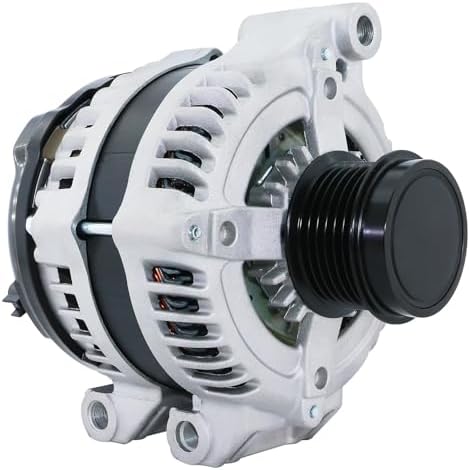
Dodge Grand Caravan Journey Avenger Town & Country
$134.99 price checked August 2026
Read our full Dodge Grand Caravan Journey Avenger Town & Country review
If you own a luxury SUV, see our guide to the best alternator for BMW 3 Series X5 for specific compatibility.


DB Electrical AVA0001 Alternator for Chevrolet Pontiac Saturn
$113.57 price checked August 2026
Understanding electrical requirements is vital, so learn how to choose your car alternator voltage before making a purchase.
Is buying a used alternator a viable option?
Buying a used alternator involves sourcing a component from a salvaged vehicle, often through a scrapyard or a private seller. This is the lowest-cost route to restoring a charging system, as the price is dictated by the availability of donor vehicles rather than manufacturing costs. This option beats buying a new unit when the vehicle is a high-mileage commuter and the owner only requires the car to function for a short period of time. It stops being a viable option when the risk of a “no-start” condition outweighs the savings; a used alternator may have internal wear that is not visible during a visual inspection, potentially leading to a failure shortly after installation.
Connector and Fitment Risks
Used units carry a high risk of connector pin configuration mismatches. Even if the alternator physically bolts onto the engine, a different wiring harness layout can prevent the vehicle from starting, making this route difficult without a guaranteed match for your specific year and model.
What does it cost to repair an existing alternator?
Repairing an existing alternator involves a technician opening the unit to replace specific failed components, such as the rectifier, voltage regulator, or internal brushes. This service is often cheaper than buying a new unit because you are only paying for the labor and the cost of small internal parts. This route beats buying a new alternator when the external housing and mounting points are in perfect condition and the failure is limited to a single internal circuit. Repairing the unit stops making sense once the cost of the required internal components and labor exceeds 60% of the price of a new unit, or if the internal copper windings show signs of overheating and melting.
Comparison of Car Alternator Alternatives
| Route | Who it suits | Main Advantage | Where it breaks down |
|---|---|---|---|
| New Alternator | Newer vehicles or high-reliability needs | Full manufacturer warranty and new components | Highest upfront cost |
| Remanufactured | Older vehicles needing reliable output | Balance of lower cost and rebuilt specs | Limited by housing condition |
| Used (Salvage) | Budget-constrained, short-term fixes | Lowest possible purchase price | High risk of immediate failure |
| Repair Service | Owners with a high-quality existing unit | Preserves the original housing and fitment | Labor costs can exceed new part price |
When is buying a new car alternator the right choice?
Buying a new car alternator is the correct decision when the vehicle is a primary daily driver that requires maximum uptime and reliability. It is the necessary choice when the current alternator’s housing is damaged, as remanufacturing and repair are not possible in these cases. Furthermore, if you require a specific high-amperage output to support modern accessories like high-output audio systems or heavy-duty lighting, a new unit ensures the electrical system meets the load without under-amperage failures. Finally, if you are purchasing a vehicle that has a known charging issue, a new unit provides a clean slate and a documented warranty that used or remanufactured options cannot offer.