Pulley diameter is the measurement of the outer diameter of the alternator’s pulley, measured in inches. The specific diameter you require is determined entirely by the dimensions of the pulley currently installed on your vehicle’s engine.
Which Pulley Diameter Suits Your Situation?
| If this is you | The Pulley Diameter that suits you | Why |
|---|---|---|
| You are replacing a standard factory unit with an identical aftermarket part. | The exact diameter of your current pulley. | Matching the original diameter ensures the belt maintains the correct tension and speed ratio. |
| You are upgrading to a high-output alternator for heavy electrical loads. | The diameter specified by the new alternator’s manufacturer. | High-output units often use specific pulley sizes to balance amperage output with belt speed. |
| You are installing a pulley from a different vehicle model. | The diameter that matches your existing serpentine belt’s routing. | A mismatch here will cause the belt to slip or ride off the pulley entirely. |
| You are using a remanufactured alternator. | The diameter of the original equipment (OE) pulley. | Remanufactured units are designed to mirror the factory specs to ensure a direct fit. |
Products in this category with a full review here
Prices across these 3 run from $120.87 to $179.39; each one has a full review here.

Dodge Journey 2009-2020 L4 2.4L Alternator
$129.99 price checked August 2026
Read our full Dodge Journey Alternator review
If you own a Ford truck, view our top-rated Ford Explorer 2013-2019 options to find a perfect match.

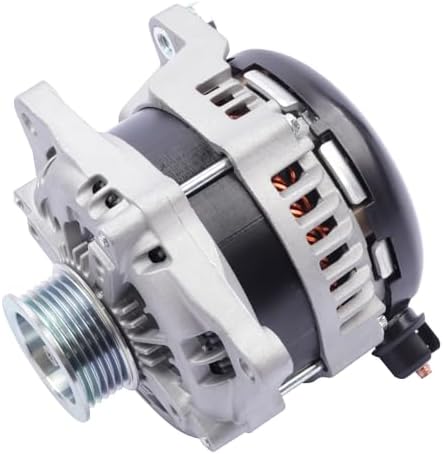
Explorer 2013-2019 3.5L V6 Turbocharged Alternator
Owners seeking a deal can find the best budget alternator for Honda Accord 2013-2017 in our latest comparison.
$179.39 price checked August 2026
How Do I Measure My Car Alternator Pulley Diameter?
To find the correct pulley diameter, you must measure the physical dimension of the pulley currently attached to your vehicle’s alternator.
Tools Needed for Measurement
You should use a large caliper or a tape measure to get an accurate reading in inches. A standard ruler may lack the precision needed to distinguish between similar sizes, which can lead to ordering the wrong part.
Understanding dimensions is key, but you should also learn how to choose the correct alternator voltage for your specific vehicle.
The Measurement Process
Clean the pulley of any grease or debris before measuring to ensure the tool makes full contact with the surface. Measure the diameter at three different points around the circle and take the average of these three numbers. This accounts for any slight manufacturing variances in the pulley’s shape.
Where to Find the Specification
If you cannot physically measure the pulley, you can often find the required diameter in your vehicle’s service manual or by identifying the OEM part number. Locate the part number stamped on the alternator housing, as this number links directly to the factory-specified pulley diameter in manufacturer catalogs.
What Happens if the Pulley Diameter is Wrong?
Using a pulley diameter that does not match the intended design leads to mechanical failures in the charging system.
Risks of a Pulley Diameter That is Too Small
A pulley that is too small will cause the alternator to spin at a much higher RPM than intended relative to the engine’s rotation. This creates excessive friction and heat, which can lead to premature bearing failure within the alternator. Furthermore, a small pulley may cause the serpentine belt to slip, resulting in insufficient charging to the battery.
Risks of a Pulley Diameter That is Too Large
A pulley that is too large will cause the alternator to spin slower than the engine’s rotation. This reduces the output of the alternator, which may prevent it from keeping up with the vehicle’s electrical demands during high-load situations like using the air conditioning or headlights. In some cases, a pulley that is too large can also put excessive strain on the belt, causing it to stretch or snap.
Ensure your electrical system is compatible by reviewing how to select the right connector pin configuration for your car.
What if My Measurement Falls Between Two Sizes?
If your measurement falls between two standard pulley diameters, you must determine which direction to move based on your specific application.
Prioritizing the Original Fit
If the difference between your measurement and the available options is minimal, such as 1/16th of an inch, you should prioritize the size that most closely matches the original equipment. In most automotive applications, a tiny variance is less problematic than a significant jump in diameter.
Checking Belt Routing
When choosing between two sizes, confirm which diameter allows the serpentine belt to seat correctly in its original path. If a larger diameter causes the belt to rub against the engine block or other components, you must choose the smaller option. If the smaller option causes the belt to sit too loose, the larger size is required to maintain proper tension.
When to Consult a Specialist
If you are unsure whether a small deviation will cause a failure, consult a qualified mechanic or a parts specialist who understands your specific vehicle’s architecture. Because pulley diameters are often tied to specific alternator models, they can confirm if a specific variance is acceptable for your vehicle’s electrical system. Always ensure that any replacement part is installed by a qualified technician to verify the correct fit and tension.