Typical car alternator warranties range from 12 months to 36 months, depending on whether the unit is new or remanufactured. The single most common reason a warranty claim is refused in this category is the installation of the unit by an unqualified individual, which often leads to electrical shorts or improper mounting that damages the internal components.
What does a car alternator warranty usually cover or exclude?
A car alternator warranty typically covers manufacturing defects and internal component failures that occur during normal operation. Because these units are high-voltage electrical components, the coverage is usually specific to the internal assembly rather than the external mounting hardware or the vehicle’s existing wiring.
Standard Coverage Includes
- Internal voltage regulator failure.
- Failure of the internal rectifier bridge.
- Worn brushes or slip rings (in units where these are considered internal).
- Manufacturing defects in the alternator housing or pulley.
- Failure of the internal diode assembly.
Standard Exclusions
- Damage caused by overcharging or a faulty vehicle charging system.
- Physical damage to the housing or pulley from external impacts.
- Failure caused by a mismatching pulley diameter leading to belt slippage.
- Damage resulting from water ingress due to improper sealing or installation.
- Damage caused by the use of incorrect wiring harnesses or connectors.
Reviewed examples from this category
3 reviewed options, $107.95 to $194.99, with the full write-up behind each name.

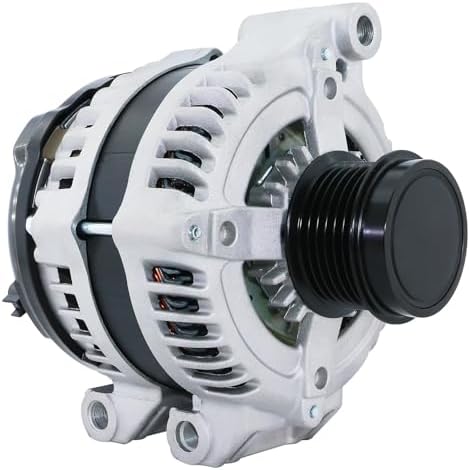
Dodge Grand Caravan Journey Avenger Town & Country
$134.99 price checked August 2026
Read our full Dodge Grand Caravan Journey Avenger Town & Country review
If you are looking for value, see our comparison of affordable Honda Accord 2013-2017 alternators.

How does the source of purchase affect my alternator warranty?
The source of purchase determines who handles the claim and the legal protections you have when a car alternator fails. Each type of seller provides a different level of security for the buyer.
Direct from the Manufacturer
Buying directly from the manufacturer provides the most straightforward warranty path. You deal with the entity that produced the unit, ensuring that the warranty terms are the original factory specifications without third-party interference.
Authorised Retailers
Authorised retailers act as a buffer between you and the manufacturer. They typically honor the manufacturer’s warranty but may require you to ship the unit back to their specific service center rather than the factory.
Marketplace Sellers
Marketplace sellers often provide a limited “seller warranty” rather than a manufacturer warranty. If the car alternator fails, you may have to deal with a third-party business that might not have the technical infrastructure to repair or replace the unit.
Owners of older models can find the top-rated Dodge Journey 2009-2020 alternator options here.
Refurbished or Open-Box Sellers
Refurbished sellers usually offer a shorter, specific warranty on the “remanufactured” state of the unit. These warranties often exclude any components that were not replaced during the refurbishment process, which can be a limited list compared to a new unit.
Importers or Grey-Market Sellers
Grey-market sellers provide the highest risk for warranty claims. Because the product was not intended for your specific region, the manufacturer may refuse to honor the warranty even if the unit is technically “new.”
What actions will void a car alternator warranty?
Specific actions during the installation or use of a car alternator can immediately void your coverage. Because these are precision electrical components, even minor installation errors can be flagged as “user error” during a warranty inspection.
Electrical Overload and Short Circuits
If the vehicle’s electrical system draws more current than the alternator is rated to provide, the resulting heat damage is usually excluded. Similarly, a short circuit in the vehicle’s wiring that fries the internal diodes will not be covered.
Incorrect Pulley Fitment
Installing an alternator with a pulley diameter that does not match the vehicle’s serpentine belt specifications causes the belt to slip. This friction generates extreme heat and can lead to premature bearing failure, which most warranties exclude as a fitment error.
Environmental Exposure
While most alternators have basic protections, exposing the unit to heavy submersion or high-pressure steam cleaning can void the warranty. If water enters the housing through the cooling vents, it often results in corrosion that is not covered as a manufacturing defect.
What should I do before buying to ensure my warranty works?
Taking specific steps before you purchase a car alternator ensures that you are prepared to make a claim if the unit fails. Documenting the condition of the unit upon arrival and confirming your local requirements are essential for a successful claim.
- Confirm your vehicle’s required amperage and voltage output before ordering.
- Verify the exact OEM part number to ensure the connector pin configuration matches your vehicle.
- Record the serial number and take photos of the unit’s condition immediately upon delivery.
- Keep the original packaging and all included mounting hardware for the duration of the warranty.
- Confirm whether the warranty requires a professional installation certificate to remain valid.
- Identify a qualified installer who can perform the mounting and wiring to ensure the installation meets local safety standards.
Is an extended warranty worth it for a car alternator?
An extended warranty for a car alternator is generally only worth it if you are purchasing a high-end, non-OEM unit for a vehicle with high electrical demands, such as a heavy-duty truck or a vehicle with extensive aftermarket electronics. If you are replacing a standard unit with a standard-spec replacement, the standard manufacturer warranty is typically sufficient. However, if you are purchasing from a marketplace seller or a grey-market importer, an extended warranty from a reputable third-party provider can provide necessary protection against the risk of a manufacturer refusing to honor the claim.