Outlet diameter is the measurement of the exhaust pipe’s exit point, typically expressed in inches. The correct size depends entirely on the diameter of your vehicle’s existing exhaust system and the specific flow requirements of your engine.
Which Outlet Diameter Suits Your Vehicle?
| If this is you | The Outlet Diameter that suits you | Why |
|---|---|---|
| You own a standard passenger sedan or a compact SUV | 2.0 inch to 2.5 inch | These diameters match the factory piping of most daily drivers to ensure a seal. |
| You drive a heavy-duty pickup truck or a large diesel SUV | 3.0 inch to 3.5 inch | Larger engines require higher volume flow, and these sizes match heavy-duty chassis piping. |
| You are installing a high-performance aftermarket exhaust system | 2.5 inch to 3.0 inch | Performance systems often use these sizes to balance exhaust velocity with flow capacity. |
| You have a specialized racing vehicle or a custom-built hot rod | 3.5 inch to 4.0 inch+ | Custom builds may require oversized outlets to accommodate extreme horsepower outputs. |
Where these choices show up in our reviews
From $102.99 to $355: the 3 in this category we have reviewed in full.

Kawasaki Mule 3000/3010/3020/4000/4010 Exhaust Muffler
$105 price checked August 2026
Read our full Mule Exhaust Muffler review
You can also view our comparison of premium RAV4 exhaust systems to see which stainless steel models perform best.

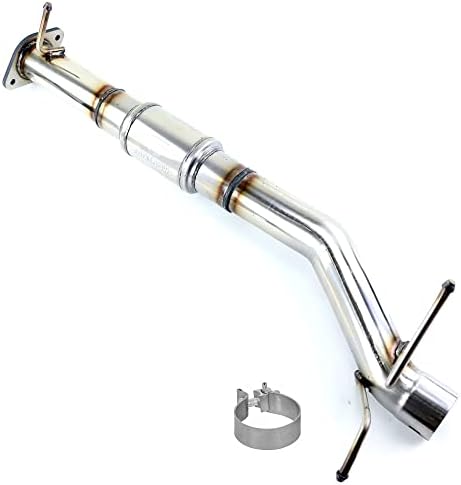
TOTALFLOW 720019 Ram 1500 Direct Fit Exhaust Muffler
Owners of off-road vehicles should explore the top-rated muffler options for Jeep Wrangler owners.
$355 price checked August 2026
How Do I Find My Required Outlet Diameter?
To find the correct outlet diameter, you must measure the outer diameter of the exhaust pipe that enters the muffler’s inlet or exits the muffler’s outlet.
A standard tape measure or a digital caliper is the most reliable tool for this task. Wrap the tape measure around the pipe to get the circumference, then divide by 3.14 to find the diameter in inches. Alternatively, use the calipers to measure the distance across the widest part of the pipe’s outer edge.
You can often find the required diameter by looking at the manufacturer’s specifications for your vehicle’s current exhaust system. If you are replacing an existing muffler, the outlet diameter of the old unit is the primary reference point for the new part.
Understanding the opening size is vital, so learn about selecting the correct inlet diameter for mufflers.
Check the markings on the underside of your current muffler or the branding on the exhaust hangers. Some manufacturers stamp the pipe size directly onto the metal. If no markings exist, measuring the physical pipe is the only way to ensure a proper fit.
What Happens if the Outlet Diameter is Incorrect?
Risks of an Outlet Diameter That is Too Small
An outlet diameter that is too small creates a bottleneck for exhaust gases, which increases backpressure. This restriction forces the engine to work harder to push air out, which can lead to a noticeable loss in power and reduced fuel efficiency.
In some cases, high backpressure can cause the engine to run hotter than intended. You may notice a “choked” feeling in the acceleration and a potential increase in internal temperatures. If the restriction is severe enough, it can lead to a drone or a humming sound as the gases struggle to exit a narrow opening.
Risks of an Outlet Diameter That is Too Large
An outlet diameter that is too large can lead to a loss of exhaust velocity, which is the speed at which gases move through the pipe. When the pipe is too wide for the volume of gas being produced, the exhaust can lose its “scavenging” effect, where the moving gas helps pull more exhaust out of the cylinders.
While this rarely causes a mechanical failure, it can result in a duller exhaust note and a less responsive throttle feel. The primary risk here is a mismatch in the physical connection, as a large muffler may not seat correctly against a smaller vehicle pipe, potentially leading to leaks at the flange.
Once you have the width, you must also consider how to determine the proper muffler length.
What Should I Do if My Measurement is Between Two Sizes?
If your measurement falls between two standard sizes, such as 2.25 inches, you must decide whether to round up or down based on your vehicle’s goals.
In most automotive applications, rounding up to the next larger standard size is the safer choice for flow, provided the physical mounting remains secure. A slightly larger diameter typically offers more headroom for exhaust flow without significantly compromising velocity for standard engines.
However, if you are concerned about maintaining a specific exhaust note or if the larger size would prevent the muffler from physically fitting into the chassis, rounding down is the alternative. If you choose the smaller size, ensure the flow is sufficient for your engine’s displacement to avoid excessive backpressure.
A professional installer can often determine the best path by looking at the pipe’s wall thickness and the available clearance. If the difference is less than 0.25 inches, the larger size is usually the standard choice. If the difference is significant, you may need to consider a custom-fit solution or a different muffler configuration entirely.
Note that because exhaust systems are precision-fit, any mismatch in diameter will require a proper transition. If the new muffler diameter does not match your vehicle’s pipe, you will need a welded or clamped adapter to bridge the gap safely. This ensures that the connection remains airtight and stable under the vibration and heat of operation.