Muffler width is the measurement of the muffler’s external width in inches. The specific value you need depends entirely on the available space in your vehicle’s chassis and the diameter of your existing exhaust piping.
Which Muffler Width suits your vehicle?
| If this is you | The Muffler Width that suits you | Why |
|---|---|---|
| You own a compact car or a small hatchback. | 2 to 3 inches | Smaller vehicles have narrow underbody clearances and require compact components to avoid hitting the frame. |
| You own a standard sedan or a mid-sized SUV. | 3 to 4 inches | These vehicles typically accommodate standard-sized exhaust systems that balance flow with interior clearance. |
| You own a heavy-duty truck or a large van. | 4 to 6 inches | Larger engines and heavy-duty chassis provide the space for wider bodies that manage high-volume exhaust gas. |
| You are building a custom off-road or race vehicle. | Custom / Specific Fit | Custom builds often require specific width tolerances to clear specialized suspension components or custom tubing. |
Auto Mufflers covered by our own reviews
From $114.61 to $355: the 3 in this category we have reviewed in full.
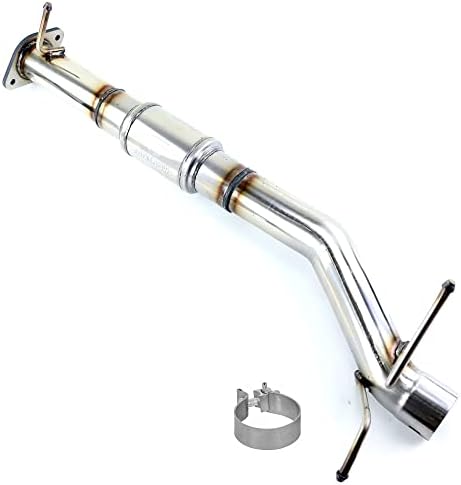
TOTALFLOW 720019 Ram 1500 Direct Fit Exhaust Muffler
$355 price checked August 2026
Read our full Ram 1500 Muffler review
If you are looking for a rugged off-road setup, find the best muffler for jeep wrangler owners.


MagnaFlow Performance Exhaust Muffler 12280
You can also find the best budget performance muffler for trucks under $300 to save on costs.
$152 price checked August 2026
How do I find the correct Muffler Width for my car?
Finding the correct Muffler Width requires identifying the available clearance between your vehicle’s structural components. You must determine the maximum width the muffler can occupy without touching the frame, suspension, or drivetrain.
Measuring the physical clearance zone
Locate the area where the muffler will be mounted. Use a tape measure to find the distance between the two nearest solid objects, such as the inner frame rails or the exhaust hangers. This measurement represents the maximum allowable width for the muffler body.
Selecting the right durability depends on the different material types for mufflers available on the market.
Checking the original equipment specifications
The Muffler Width of your original factory unit is often the best starting point. You can find these dimensions on the manufacturer’s parts catalog or by measuring the existing muffler. If you are replacing a factory unit with a similar style, matching the original width ensures the new part aligns with the existing hangers.
Verifying pipe diameter compatibility
While width refers to the body, the internal diameter of the pipe openings must match your exhaust system. Check the diameter of your inlet and outlet pipes in inches. A muffler with a 2.5-inch opening will not fit a 3-inch pipe, regardless of the external width of the unit.
What happens if I choose the wrong Muffler Width?
Choosing a Muffler Width that is too wide or too narrow creates specific mechanical and installation issues. Because the fit must be precise, even a half-inch difference can prevent the component from being secured correctly.
Risks of a Muffler Width that is too wide
If the Muffler Width exceeds the available space, the unit may press against the vehicle’s frame or suspension. This physical contact can cause the muffler to vibrate against the chassis, leading to metal fatigue, rattling noises, or even structural damage to the vehicle’s underbody. In some cases, a wide muffler may prevent the exhaust hangers from being bolted into their original positions.
Risks of a Muffler Width that is too narrow
A Muffler Width that is significantly narrower than the original design may not provide enough internal volume to dampen noise effectively. While it will physically fit the space, the reduced surface area and internal baffling can lead to a louder, harsher exhaust note. Additionally, a very narrow muffler might not align correctly with the existing mounting brackets, requiring the use of adapters or custom welding.
Once you know the width, you should compare various muffler lengths to ensure a proper fit.
What should I do if my measurements fall between two sizes?
If your measured clearance sits between two standard Muffler Width options, you must prioritize the smaller of the two sizes. It is always safer to have a slightly smaller muffler that fits with room to spare than a larger one that cannot be mounted.
Choosing the smaller dimension
A muffler that is slightly narrower than the maximum space allows will still function correctly and provide the necessary exhaust flow. You can often use spacers or adjusted hangers to center the unit. However, a muffler that is even a fraction of an inch too wide cannot be “squeezed” into place and will fail to install.
Verifying hanger alignment
When choosing between sizes, check the position of the mounting holes. If the smaller muffler has mounting holes that align with your vehicle’s hangers, it is the correct choice. If the holes do not align, you may need to confirm with a qualified installer if the hangers can be relocated or if a different mounting configuration is required.
Consulting a qualified installer
Because exhaust systems involve heat and structural mounting, having a professional measure the space before you order is the most reliable method. A qualified installer can confirm the exact clearance and ensure the Muffler Width you select will clear the drivetrain and frame during full suspension travel.