A car radiator is a heat exchanger designed to cool the liquid coolant that circulates through an internal combustion engine. It functions by transferring heat from the hot liquid to the surrounding air, ensuring the engine maintains an operating temperature that prevents metal components from melting or seizing. Without a functioning radiator, the heat generated by combustion would quickly build up, leading to rapid engine failure.
The problem this component solves is the management of extreme thermal energy. When fuel burns inside a cylinder, it produces immense heat. While some of this heat is used to move the pistons, a large portion must be discarded. If this heat remains trapped in the engine block, the oil breaks down and the metal expands beyond its design tolerances. The radiator acts as the primary exhaust for this thermal waste, allowing the vehicle to run for hours without overheating.
How does a car radiator work?
A car radiator works by moving heat from a liquid medium to the atmosphere through a process of convection and radiation. The cycle follows a specific sequence of events:
- The water pump circulates coolant through the engine block, where the fluid absorbs heat from the cylinders and the cylinder head.
- The hot coolant travels into the radiator through upper inlet hoses.
- The liquid enters a series of small tubes, known as the core, where it is exposed to the air.
- As the vehicle moves, or as a cooling fan pulls air through the radiator, the air passes over the exterior of these tubes.
- Heat moves from the hot liquid, through the metal walls of the tubes, and into the passing air.
- The now-cooled liquid exits through the lower outlet hoses and returns to the engine to begin the cycle again.
Car Radiators we have reviewed in detail
Prices across these 3 run from $149 to $160; each one has a full review here.

DNA Motoring RA-SBC55-3 3-Row Full Aluminum Radiator
$149 price checked August 2026
Read our full RA-SBC55-3 Radiator review
If you are on a budget, see our list of affordable Camry radiators to find a high-quality unit for under $150.

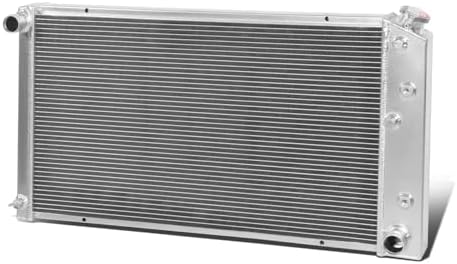
Auto Dynasty 3-Row Tri-Core Full Aluminum Radiator
Owners seeking high-output cooling can view our comparison of WRX STI performance radiators to find the best upgrade.
$160 price checked August 2026
Radiator parts and specifications that matter
Several physical characteristics of a radiator determine how effectively it can manage heat and how long it will last under stress. Understanding these terms helps in identifying why different units perform differently under load.
Core construction materials
Core construction refers to the material used to build the internal tubes and fins, typically either aluminum or copper-brass. Aluminum is the modern standard because it is lightweight and has excellent thermal conductivity. Copper-brass is heavier and more expensive but is sometimes found in older designs or specialized heavy-duty applications where extreme durability is required.
Row count and core thickness
Row count describes the number of layers of tubes stacked within the radiator frame. A 1-row radiator is thin and used in small engines with low heat output. A 2-row or 3-row radiator provides more surface area and more “depth” for the coolant to travel through. Higher row counts allow for more efficient cooling in high-performance engines or in vehicles operating in hot climates, as they provide more surface area for the air to contact the coolant.
You can learn more about technical specifications by visiting our guide to common radiator terms.
Fin density and surface area
Fin density refers to the number of small metal “fins” attached to the tubes. These fins increase the total surface area of the radiator without increasing its overall size. Higher fin density allows more air to come into contact with the metal, improving heat dissipation. However, if the fins are too dense, they can restrict airflow, which is why manufacturers balance fin spacing with total surface area.
What a radiator changes in practice
Having a high-performing radiator changes the vehicle’s reliability in specific environmental and mechanical conditions. The difference is most noticeable when the engine is under high load, such as when towing a heavy trailer or climbing a steep mountain grade. In these scenarios, a radiator with a high core count and high-quality material prevents the temperature gauge from entering the “red” zone, maintaining a steady operating temperature even when the vehicle’s speed is low and airflow is limited.
In contrast, the difference between a standard and a high-performance radiator is less noticeable during low-stress activities like city driving or highway cruising. In these conditions, the heat output of the engine is relatively low, and the radiator has ample time to dissipate that heat. A standard radiator is sufficient for daily commuting, while a more robust unit is reserved for situations where the cooling system must work against extreme external heat or internal engine demands.
Common radiator failure modes
The performance of a radiator can degrade over time due to specific mechanical failures. Core cracking or seepage occurs when the welds between the tubes and the frame fail, leading to a loss of coolant. Flow restriction can occur if the internal baffling is clogged by debris or if the tube spacing is too narrow for the volume of fluid required. Finally, a mounting mismatch occurs when the rail spacing or bracket holes of a replacement unit do not align with the vehicle’s frame, necessitating modifications to the mounting points.
Who needs a car radiator?
A car radiator is necessary for any vehicle that utilizes an internal combustion engine. If a vehicle relies on a combustion cycle to generate power, it requires a cooling system to manage the resulting thermal energy. This includes passenger cars, trucks, motorcycles with liquid-cooled engines, and heavy machinery.
A car radiator is not needed for vehicles that do not generate heat through combustion. Electric vehicles (EVs) do not use radiators to cool an engine, though they may use different types of heat exchangers to cool batteries and power electronics. Similarly, bicycles or small non-motorized vehicles do not require a radiator as they do not produce the high-grade heat associated with burning fuel.