Car radiator warranties typically range from 1 to 3 years, though some high-performance units may offer longer periods. The most common reason a warranty claim is refused in this category is evidence of installation error, such as improper mounting that leads to core cracking or seal failure.
What does a car radiator warranty typically cover?
A car radiator warranty typically covers manufacturing defects in the core construction and the integrity of the welding. If a unit develops a leak due to a faulty seam or a casting flaw within the warranty period, the manufacturer usually replaces the part.
- Internal welding defects in the aluminum or copper-brass core
- Material degradation resulting from manufacturing flaws
- Failures of the integrated plastic end tanks (if applicable)
- Structural cracks caused by manufacturing inconsistencies
Warranty coverage usually excludes issues resulting from external factors or the specific environment of the vehicle’s cooling system. Because radiators are subject to high pressure and extreme thermal cycles, many exclusions focus on the fluid and the surrounding hardware.
- Damage caused by debris, rocks, or road salt clogging the fins
- Leaks resulting from cracked hoses, clamps, or radiator caps
- Corrosion caused by using the incorrect coolant chemistry
- Damage from “dry” starts where the engine ran without coolant
- Failure caused by a vehicle overheating due to a failed water pump or fan
Reviewed examples from this category
3 reviewed options, $127.50 to $399.87, with the full write-up behind each name.
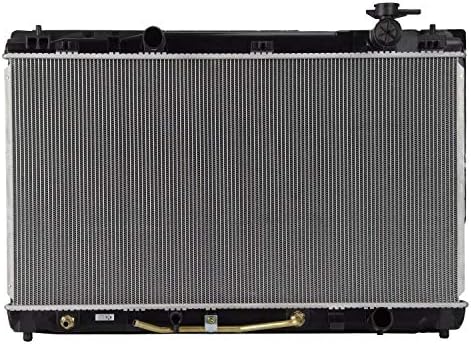

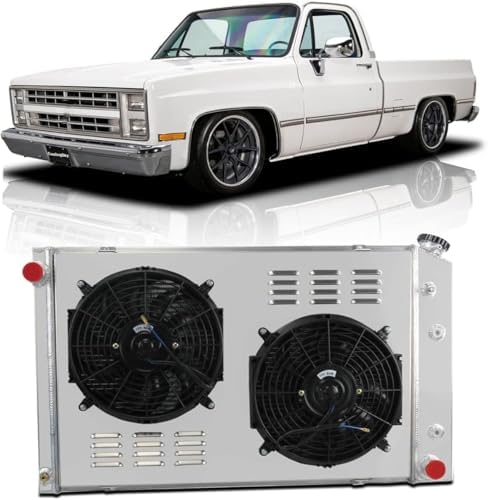
Primecooling 56MM 3 Row Core Aluminum Radiator
$251 price checked August 2026
Read our full Primecooling Aluminum Radiator review
If you are restoring a vintage muscle car, view our guide to the best radiator for classic chevelle el camino.
How does where you buy the radiator affect your warranty?
The source of your purchase determines who manages the claim and how much friction you will face when a part fails. Different sales channels have varying levels of responsibility for the product’s performance.
Direct from the manufacturer
Buying directly from the maker provides the most straightforward path for a claim. You deal with the entity that issued the warranty, ensuring that the terms are applied exactly as written without a middleman interpreting the rules.
Authorised retailers
Authorised retailers act as a bridge between the manufacturer and the buyer. They typically handle the initial inspection of the faulty radiator and coordinate the return with the brand, though they may require you to ship the heavy unit back to them first.
Marketplace sellers
Marketplace sellers often operate on a “sold by” basis where the seller, not the manufacturer, is the primary point of contact. If the seller is a third party with no official ties to the brand, you may find it difficult to get a replacement for a manufacturing defect.
Refurbished or open-box sellers
Refurbished or open-box units often carry no manufacturer warranty at all. These products are usually sold with a limited shop warranty from the seller, which may only cover the unit if it fails to function at all upon arrival, rather than covering long-term wear or manufacturing flaws.
Importers or grey-market sellers
Grey-market sellers provide products intended for different regions. These units often lack a valid warranty in your local region, meaning the manufacturer may refuse to honor a claim because the product was not sold through official channels in your country.
What actions void a car radiator warranty?
Specific actions void a car radiator warranty by shifting the cause of failure from manufacturing to operation or installation. Identifying these risks before purchase helps you understand the limits of your protection.
Incorrect installation is the primary way coverage is voided. If a radiator is mounted with incorrect rail spacing or bracket holes, it can put undue stress on the core. Any cracks resulting from such mounting mismatches are considered installation errors rather than manufacturing defects.
Fluid chemistry also plays a critical role in maintaining warranty status. Using water instead of a proper coolant mix, or using a coolant not specified by the manufacturer, can lead to internal corrosion. If the radiator shows signs of chemical degradation, the warranty will likely be denied.
External damage to the fins or core is another common voiding factor. Because radiators are exposed to the environment, any puncture from road debris or significant denting from external impacts is viewed as a maintenance or environmental issue rather than a production flaw.
What should you do before buying to ensure a claim works?
Taking specific steps before you purchase a radiator ensures that you have the necessary documentation and evidence to support a future claim. Preparation prevents the “he-said, she-said” disputes that often occur during the warranty process.
- Save a digital copy of the specific warranty document provided at the time of purchase
- Take a clear photo of the radiator’s serial number or manufacturing stamp
- Record a video of the radiator’s condition immediately upon arrival before installation
- Confirm the specific warranty duration and coverage limits in writing from the seller
- Keep the original packaging or a copy of the packing slip as proof of purchase date
- Verify that the radiator’s inlet and outlet diameters match your vehicle’s OEM requirements
When is an extended warranty worth it?
An extended warranty is worth it if you are installing a high-performance racing radiator or a specialized cooling unit on a high-use vehicle. These components face extreme thermal stress that can accelerate the appearance of manufacturing flaws. If you are installing a standard replacement radiator for a daily driver, the standard manufacturer warranty is usually sufficient, as these units are designed for long-term reliability and the cost of an extended plan rarely offsets the cost of a standard replacement.