Typical wheel bearing warranties range from 12 to 24 months, though some premium tiers may extend to 36 months. The most common reason a warranty claim in this category is refused is evidence of improper installation, such as a hub bore mismatch or a bearing that was not seated correctly during the initial press-fit.
What does a wheel bearing warranty typically cover?
A wheel bearing warranty typically covers manufacturing defects in the steel metallurgy, heat treatment, and the internal geometry of the bearing itself. If a bearing fails due to a structural flaw in the race or the rolling elements, it is generally covered under the standard limited warranty.
Covered components and defects
- Internal manufacturing flaws in the inner or outer races.
- Defects in the rolling elements (balls or rollers) that cause premature spalling.
- Incorrect heat treatment leading to brittle failure under standard operating loads.
- Manufacturing errors in the bearing cage or seal.
Excluded conditions and wear items
- Damage caused by impact, such as hitting a curb or a deep pothole.
- Wear and tear from normal operation over the life of the vehicle.
- Corrosion caused by the use of incorrect lubricants or exposure to salt.
- Failure due to incorrect installation, including over-torquing or improper press-fit.
- Damage resulting from a hub bore mismatch or bolt pattern incompatibility.
Reviewed examples from this category
3 reviewed options, $174.95 to $229.80, with the full write-up behind each name.

Detroit Axle Front Wheel Bearing Hubs Kit
$182.70 price checked August 2026
Read our full Wheel Bearing Hubs review
If you own a Toyota truck, view our top-rated 4Runner hub options to find the right fit.
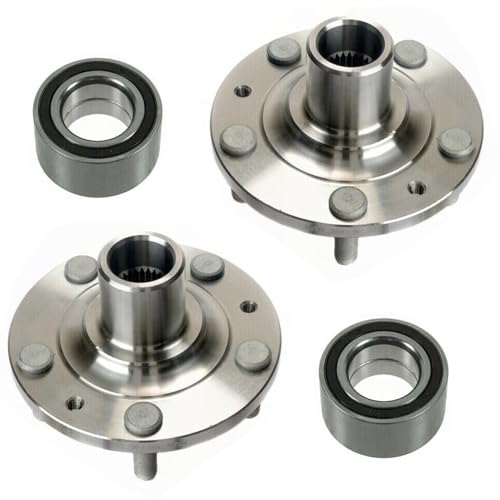
Detroit Axle Front Wheel Bearing and Hub Assembly
$229.80 price checked August 2026
Read our full Front Wheel Bearing review
Owners of luxury SUVs can see our comparison of Lexus GX460 assemblies for a better purchase.

How does the place of purchase affect your warranty?
The location where you buy the wheel bearing determines who manages the claim and how much evidence you must provide to prove the defect.
Direct from the manufacturer
Buying directly from the maker usually provides the most straightforward path for a claim. The manufacturer handles the warranty directly, and since the chain of custody is short, they are less likely to dispute the authenticity of the part.
Beginners should start by learning how a wheel bearing functions to understand the basic mechanics.
Authorised retailers
Authorised retailers act as a buffer. They typically provide a point of contact for the return, and while they may require you to ship the part back to them, they have a formal agreement with the manufacturer to honour the warranty terms.
Marketplace sellers
Marketplace sellers often operate on a “sold by” basis where the marketplace platform itself provides no warranty. If the seller is an independent third party, you may have to deal with a different entity entirely, which can complicate the return process if the seller has closed their shop.
Refurbished or open-box sellers
Refurbished or open-box items almost never carry the standard manufacturer warranty. These items usually carry a very limited “as-is” warranty from the seller, which may only cover a few days of use or may not cover any mechanical failure at all.
Importers or grey-market sellers
Grey-market products are sold outside the manufacturer’s official distribution network. These parts often have no warranty coverage in your region, as the manufacturer will not honour a warranty for a product sold through an unauthorised channel.
What actions void a wheel bearing warranty?
Specific actions during the installation or operation of the wheel bearing can immediately void the warranty coverage provided by the manufacturer.
Explore different types of wheel bearing alternatives if you are looking for other mechanical solutions.
Improper installation techniques
If a bearing is forced onto a hub without the correct press-fit tools, it can cause microscopic fractures in the race. These fractures may not show up immediately but will cause the bearing to fail prematurely, which manufacturers will classify as installation damage rather than a manufacturing defect.
Incorrect lubrication and maintenance
Applying the wrong grade of grease or failing to use the specified lubricant can lead to overheating. If the bearing shows signs of heat-related deformation or chemical corrosion from an incorrect lubricant, the warranty is typically void.
External impact and misuse
Wheel bearings are designed to handle vertical and lateral loads, but they are not designed to withstand heavy impacts. A strike against a curb or a large rock that causes a hub bore mismatch or physical deformation of the bearing housing will void the coverage.
What should you do before buying to ensure a future claim works?
Taking specific steps before you purchase and install the wheel bearing ensures that you have the necessary documentation and parts to support a warranty claim if a failure occurs.
- Confirm the hub bore size and bolt pattern of your vehicle before ordering to ensure a perfect fit.
- Keep the original receipt and a record of the seller’s name, as these are required for almost every claim.
- Take a clear photo of the bearing and its packaging before you begin the installation.
- Record the date of installation and the mileage on the vehicle at the time of fitment.
- Verify the specific warranty period on the product’s documentation, as it may differ from the category standard.
- Consult a qualified installer to perform the mounting, as professional installation records can support a claim against “user error.”
When is an extended warranty worth it for wheel bearings?
An extended warranty for wheel bearings is worth it only if you are operating a vehicle in high-stress environments, such as heavy-duty towing or constant off-road use. In these scenarios, the increased risk of premature failure justifies the additional cost of a protection plan. If you are using a standard passenger vehicle for commuting, the standard manufacturer warranty is usually sufficient, as wheel bearings are expected to last the life of the vehicle under normal conditions.
The other Wheel Bearing guides we have published
- Which Wheel Bearing Hub Kits Are Best for Mercury Mountaineer?
- Best Wheel Bearing Hub Assemblies for Toyota 4Runner
- Lexus GX460 Wheel Bearing Hub Assemblies Compared
- Choosing the Best Front Wheel Bearing Hub Assembly for Ford Fusion
- The Front Wheel Bearing Hub Assemblies That Work Best for Ford Explorer