A wheel bearing is a mechanical component that allows a wheel to rotate smoothly around a fixed axle while supporting the weight of the vehicle. It acts as the primary pivot point for the wheel assembly, ensuring that the spinning motion of the tire does not create excessive friction or resistance against the chassis.
The problem this component solves is the conversion of rotational force into movement without the metal surfaces grinding against one another. Without a functioning bearing, the friction between the wheel hub and the axle would generate extreme heat, cause the wheel to seize, and eventually lead to mechanical failure of the drivetrain. A high-quality bearing ensures that the only resistance the wheel faces is the friction of the tire against the road surface.
How Does a Wheel Bearing Work?
The mechanism of a wheel bearing functions through a series of physical interactions that manage both radial and axial loads. The process follows these steps:
- The inner race of the bearing is pressed onto the axle, while the outer race is secured to the wheel hub.
- Rolling elements, such as steel balls or tapered rollers, sit between these two races.
- As the vehicle moves, the weight of the car pushes down on the hub, creating a radial load that the bearing distributes across the rolling elements.
- Simultaneously, any side-to-side forces, such as those from cornering or braking, create an axial load.
- The rolling elements move between the races, allowing the outer hub to spin freely while the inner axle remains stationary.
- Lubrication within the bearing reduces friction between the rolling elements and the races, preventing metal-on-metal wear and heat buildup.
Wheel Bearings we have reviewed in detail
Prices across these 3 run from $174.95 to $229.80; each one has a full review here.

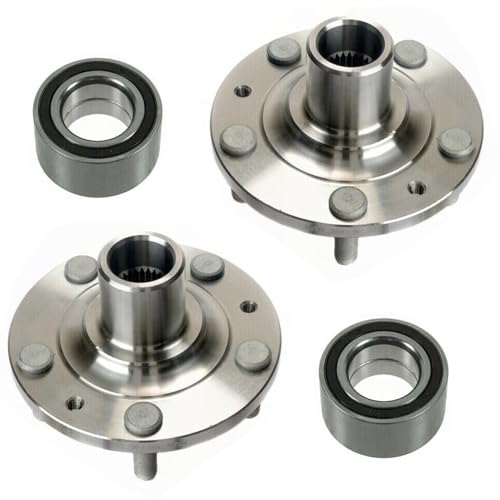

TRQ Front Wheel Bearing Hub Assembly Pair
$174.95 price checked August 2026
Read our full Wheel Bearing Hub review
Owners of these SUVs can see our comparison of the best wheel bearing hub assembly for toyota 4runner.
Parts and Standards That Matter to a Buyer
Several technical specifications and components determine the longevity and performance of a wheel bearing assembly.
Bearing Types and Geometry
The geometry of the internal rolling elements determines how the bearing handles different forces. Tapered roller bearings are often used in heavy-duty applications because they can handle both heavy radial loads and significant axial thrust. In contrast, ball bearings are frequently used in lighter vehicles where the primary requirement is smooth rotation under standard weight.
Hub Bearing Assembly vs. Bearing Only
A wheel bearing kit can refer to either a standalone bearing or a complete hub assembly. A bearing-only purchase requires the installer to press the bearing into an existing hub, which requires specific heavy-duty tools. A hub assembly includes the hub, the bearings, and often the wheel studs, allowing the entire unit to be bolted on as a single component.
Metallurgy and Reference Tiers
The quality of the steel used in the bearing determines its resistance to fatigue and heat. Manufacturers often aim for metallurgy that mimics OE (Original Equipment) standards, which are the baseline for heat treatment and noise levels. Using bearings that do not meet these manufacturing standards can lead to premature spalling, where the metal surface begins to flake away under load.
Hub Bore and Bolt Patterns
Proper fitment depends on the hub bore and the bolt pattern. The hub bore is the diameter of the hole where the bearing sits; a mismatch here prevents the bearing from seating correctly. The bolt pattern refers to the spacing of the studs that hold the wheel to the hub. If these dimensions do not match the vehicle’s specifications exactly, the wheel will not align with the studs or the axle.
How a Wheel Bearing Changes Performance
In practice, a functioning wheel bearing ensures that the vehicle handles predictably and remains quiet. When a bearing begins to fail, the first sign is often a humming or growling noise that changes pitch when the vehicle turns. This occurs because the damaged rolling elements create uneven resistance as they rotate.
Ride Quality and Stability
A failing bearing creates a “loose” feeling in the steering or a perceptible wobble in the wheel. Because the bearing is responsible for holding the wheel in a fixed position, any degradation in the internal races allows the wheel to shift slightly. This can cause the vehicle to pull to one side or feel unstable during high-speed travel.
Heat Generation and Wear
A bearing that is under-lubricated or has internal pitting will generate excessive heat. This heat can damage the surrounding seals and the hub itself. While a good bearing remains relatively cool during normal operation, a failing one can become hot enough to be uncomfortable to touch near the wheel well.
Who Needs a Wheel Bearing?
The need for a wheel bearing is determined by the maintenance status and the weight requirements of the vehicle.
Scheduled Maintenance and Wear
Drivers of high-mileage vehicles often need to replace wheel bearings as a preventative measure. Because these components are subject to constant load and environmental exposure, they have a finite lifespan. If a vehicle exceeds the typical service life of the original components, replacing them ensures continued safety and ride quality.
Heavy-Duty and Commercial Use
Commercial vehicles and heavy-duty trucks require wheel bearings with higher load ratings. These vehicles experience much higher radial forces than passenger cars, meaning the bearings must be manufactured to withstand extreme pressure and higher operating temperatures without deforming.
Situations Where Replacement is Not Needed
A wheel bearing does not need replacement if the vehicle is functioning normally without noise, vibration, or excessive heat. If the steering is centered and the wheels are not wobbling, the bearings are still performing their primary function of supporting the vehicle’s weight and allowing rotation.
The other Wheel Bearing guides we have published
- Best Wheel Bearing Hub Assemblies for Toyota 4Runner
- Lexus GX460 Wheel Bearing Hub Assemblies Compared
- Choosing the Best Front Wheel Bearing Hub Assembly for Ford Fusion
- The Front Wheel Bearing Hub Assemblies That Work Best for Ford Explorer
- Which Wheel Bearing Hub Kits Are Best for Mercury Mountaineer?