When evaluating clutch flywheels, the most load-bearing terms relate to the physical construction of the friction surface and the specific mechanical interface with the engine. These data points—such as flywheel diameter, tooth count, and material type—directly dictate whether a part will fit and how it will handle torque. Conversely, many terms found in marketing materials regarding “smoothness” or “enhanced feel” are subjective. You should prioritize technical specifications like the Dual Mass Flywheel (DMF) vs. Solid Flywheel distinction and the specific spline counts, as these are the requirements for a functional installation.
What are the different types of clutch flywheels?
- Dual Mass Flywheel (DMF) – This design uses two rotating masses connected by springs to dampen engine vibrations before they reach the transmission. A DMF is the standard for modern diesel and many passenger cars where vibration reduction is a priority.
- Solid Flywheel – A single, solid piece of metal that provides a stable friction surface for the clutch disc. Solid flywheels offer higher durability in heavy-duty use and are often preferred in high-torque applications where the damping of a DMF is not required.
- DMF Spring Rate – This measures the stiffness of the internal springs within a dual mass unit. A higher spring rate can handle higher torque loads, but if it is mismatched to the engine’s vibration profile, it can lead to harmonic vibration or drivetrain shudder.
- Friction Surface Material – This refers to the coating on the flywheel, such as cast iron or specialized alloys. The material choice determines the heat dissipation capacity and the friction coefficient of the clutch engagement.
Where these choices show up in our reviews
These 3 have their own full review on this site, and run from $122.45 to $219.
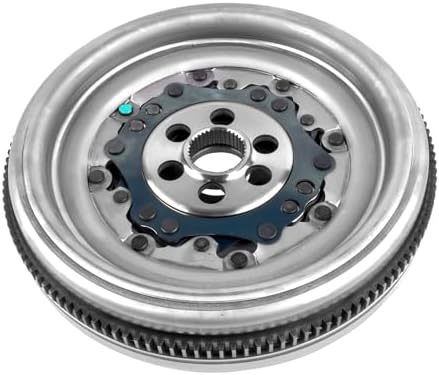
Dual Mass Flywheel for VW Jetta Golf Beetle
$219 price checked August 2026
Read our full Dual Mass Flywheel review
If you are restoring an older vehicle, find the best flywheel replacement for high mileage cars to ensure long-term reliability.

AMS Automotive Clutch Flywheel 167740
$122.45 price checked August 2026
Read our full AMS 167740 Flywheel review
For drivers seeking a smoother experience, see how to find the best dual mass flywheel for automatic transmission setups.

What physical specifications matter for a clutch flywheel?
- Flywheel Diameter – The total width of the flywheel across its face. You must match the original equipment diameter exactly, as even a small difference can change the leverage of the clutch and the engagement point.
- Spline Count – The number of teeth on the hub where the flywheel connects to the crankshaft. A spline mismatch is a critical failure point; the tooth count must match the engine’s specific requirements to prevent shearing or installation failure.
- Hub Diameter – The measurement of the center bore where the flywheel mounts to the engine. This must be confirmed against the engine’s crankshaft dimensions to ensure a press-fit or bolt-on fit.
- Weight (kg/lbs) – The mass of the flywheel unit. While heavier flywheels can offer smoother engagement, they increase rotational inertia; you should aim for a weight that matches the manufacturer’s specifications to maintain engine balance.
- Bolt Pattern – The specific arrangement and spacing of the mounting bolts. This must be identical to the original part to ensure the flywheel sits flush against the crankshaft.
How do I ensure compatibility for a flywheel replacement?
- OEM Part Number Matching – This is the most reliable way to ensure the correct spline count and hub diameter. Using a part that matches the original equipment number ensures the hardware is engineered for that specific engine’s torque curve.
- Pilot Bearing Bore – The center hole where the transmission input shaft sits. The diameter of this bore must match the pilot bearing or bushing used in your specific vehicle’s transmission.
- Heat Dissipation Rating – A measure of how quickly the flywheel can shed heat during heavy use. Higher heat dissipation prevents the glazing of the clutch disc and reduces the rate of friction material loss.
- Torque Rating – The maximum amount of twisting force the flywheel can withstand. This is a critical threshold; if the engine’s peak torque exceeds the flywheel’s rating, the unit can suffer catastrophic shearing.
Commonly confused flywheel terms
Several terms in the clutch and flywheel category are frequently confused by shoppers, leading to incorrect orders or installation issues.
Understanding your specific needs is easier when you examine the different types of clutch flywheels available today.
Dual Mass vs. Solid Flywheel
A Dual Mass Flywheel (DMF) is a complex assembly designed to dampen vibration using internal springs, while a Solid Flywheel is a single piece of metal. You choose a DMF for smoother operation in passenger vehicles and a Solid Flywheel for durability in heavy-duty or high-torque environments.
Spline Count vs. Hub Diameter
Spline count refers to the number of teeth on the engagement hub, while hub diameter is the physical width of that hub. A flywheel can have the correct diameter but the wrong tooth count, which will prevent the transmission from seating correctly.
DMF vs. Clutch Disc
The flywheel is the stationary (or damped) component on the engine, while the clutch disc is the moving component that sits between the flywheel and the transmission. You generally replace both at the same time to ensure even wear and proper engagement.
The fitting of a clutch flywheel is a job for a qualified installer wherever local rules require one. Before ordering, you must confirm the spline count, hub diameter, and bolt pattern against your specific engine requirements. You should also verify that the replacement unit’s torque rating meets or exceeds the peak torque of your engine to avoid drivetrain failure.