The primary outcome of purchasing a car radiator is maintaining a stable engine operating temperature through efficient heat exchange. While a new cooling radiator is the standard solution for a failing system, it is not the only path to achieving reliable engine cooling. Depending on the vehicle’s age, the severity of the cooling issue, and your available budget, other methods may provide the necessary thermal management without a full component replacement.
Can a mechanic fix my cooling system without a new radiator?
A mechanic can often repair a cooling system without a new radiator by identifying and addressing specific flow restrictions or localized leaks. This route involves flushing the existing cooling circuit to remove scale buildup, replacing worn-out hoses, or swapping out a failing water pump. If the radiator’s internal fins are clear and the core material is not structurally compromised, these maintenance steps can restore thermal efficiency.
This alternative costs less than a new unit because it focuses on labor and consumable parts like coolant and gaskets. It beats buying a new radiator when the issue is a simple blockage or a loose connection rather than a cracked core. However, this approach stops making sense if the radiator has suffered a major structural failure, such as a split in the main tank or a breach in the core’s welding.
Where these choices show up in our reviews
3 reviewed options, $251 to $399.87, with the full write-up behind each name.

Mishimoto MMRAD-F2D-03 Aluminum Radiator
If you are on a budget, view affordable Toyota Camry radiator options.
$399.87 price checked August 2026
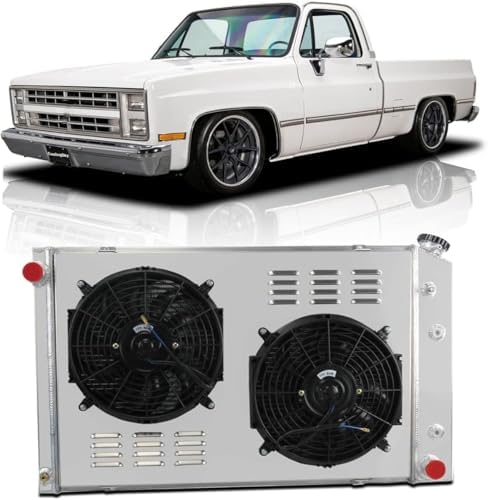
Primecooling 56MM 3 Row Core Aluminum Radiator
Drivers seeking higher cooling capacity can see top Subaru WRX STI radiator comparisons.
$251 price checked August 2026

Mishimoto MMRAD-WRX-01 Performance Aluminum Radiator
Ensure proper fitment by learning how to select your radiator’s outlet diameter.
$349.26 price checked August 2026
Should I buy a refurbished or used car radiator?
A refurbished or used car radiator provides a middle ground between a full repair and a new purchase by offering a pre-tested unit at a lower price point. Refurbished units typically undergo a pressure test and a chemical cleaning to ensure the passages are clear and the seals are intact. Used units, conversely, are sourced from salvaged vehicles and may have varying levels of wear.
Before making a purchase, verify standard radiator warranty terms and coverage.
This option is significantly cheaper than buying a new radiator, especially for older vehicles where the cost of a new OEM part might exceed the car’s value. It beats buying new when you need a specific, discontinued model and are willing to accept a non-new component. This route stops making sense if the vehicle is a modern high-performance car where the risk of a used part failing under high pressure outweighs the savings.
Are there external cooling systems for cars?
External cooling systems for cars include auxiliary cooling setups like oil-to-water heat exchangers or secondary cooling loops. These systems do not replace the primary radiator but instead add capacity to the cooling system, often by transferring heat from the engine oil to the water jacket. This is common in high-performance tuning or heavy-duty applications where the stock radiator capacity is insufficient for the power output.
This alternative is more expensive than a standard radiator because it requires additional hardware and complex plumbing. It beats buying a larger radiator when the vehicle’s mounting points or engine bay space prevent the installation of a high-capacity core. This approach stops making sense for standard passenger cars, as the added complexity and weight are unnecessary for normal driving conditions.
Comparison of Radiator Alternatives
| Route | Who it suits | Main advantage | Where it breaks down |
|---|---|---|---|
| Professional Repair | Owners with minor cooling issues | Lower cost than replacement | Core structural failure |
| Refurbished/Used | Budget-conscious owners of older cars | Significant cost savings | Risk of unpredictable reliability |
| External Cooling | High-performance or heavy-duty users | Increased heat capacity | High complexity and cost |
When is buying a new car radiator the right choice?
Buying a new car radiator is the correct choice when the current unit has a structural breach, such as a crack in the casting or a ruptured core, that cannot be welded or sealed. It is also the necessary route when the radiator’s material has degraded to the point of significant corrosion, reducing its heat transfer efficiency below the required threshold for safe operation. If the vehicle is a modern car with tight tolerances, a new unit ensures the correct mounting points and inlet diameters match the OEM specifications exactly. Finally, if the cooling system is experiencing frequent overheating despite regular maintenance, a new unit provides the most reliable path to restoring thermal stability.