There are three primary types of car radiators distinguished by their core construction material: aluminum, copper-brass, and hybrid designs. The choice between these types depends on the balance required between heat transfer efficiency, weight, and manufacturing cost. While all types perform the same basic function of cooling the engine, the material composition determines how the unit handles extreme temperatures and how much it weighs in the engine bay.
What are Aluminum Radiators?
Aluminum radiators use an aluminum alloy for both the cooling fins and the internal tubes. This construction is the modern standard for most passenger vehicles and performance cars because it offers a high strength-to-weight ratio. Aluminum allows for thinner walls and more complex fin designs, which increases the surface area available for heat dissipation.
If you prioritize a lightweight cooling system or need to fit a radiator into a compact engine bay, aluminum is the preferred choice. These units are highly resistant to corrosion and do not suffer from the same scaling issues as copper. However, aluminum can be more susceptible to damage from road debris or stones because the material is softer than brass. In terms of cost, aluminum radiators typically sit in a mid-range price bracket, offering a balance between high-performance material and mass-production affordability.
Where these choices show up in our reviews
Prices across these 3 run from $127.50 to $160; each one has a full review here.

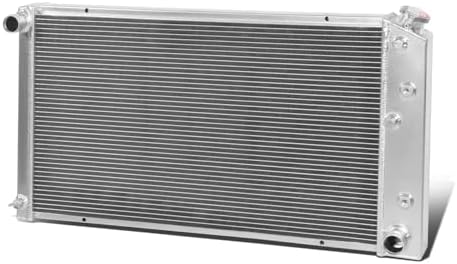
DNA Motoring RA-CCV889-3 3-Row Full Aluminum Radiator
$152.99 price checked August 2026
Read our full RA-CCV889-3 Radiator review
If you are on a budget, you can find affordable Toyota Camry radiator options that cost less than $150.
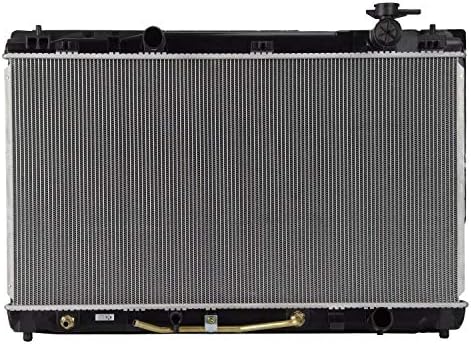
Replacement Radiator for 2007-2011 Camry L4 2.4L 2.5L
Ensuring a proper fit requires you to understand how core width affects fitment before purchasing.
$127.50 price checked August 2026
What are Copper-Brass Radiators?
Copper-brass radiators consist of copper tubes with brass fins, a construction that was the industry standard for decades before the widespread adoption of aluminum. Copper is an exceptional thermal conductor, often outperforming aluminum in raw heat transfer per square inch. This makes copper-brass units highly effective at moving heat away from the coolant and into the airflow.
These radiators are ideal for heavy-duty applications or older vehicles where maximum thermal conductivity is more important than weight savings. Because copper and brass are denser than aluminum, these units are significantly heavier. They are also more durable against physical impacts and road debris. The main trade-off is that copper-brass units are more prone to internal corrosion and “scaling” over many years, which can restrict flow. These are generally the most expensive type of radiator due to the high cost of raw copper and the complex manufacturing required to bond the materials.
What are Hybrid Radiators?
Hybrid radiators combine materials, often using aluminum for the main structure and fins while utilizing specific copper components for high-heat zones or specialized flow paths. This design attempts to capture the weight benefits of aluminum while maintaining the thermal properties of copper in critical areas.
You should also verify the correct inlet diameter to ensure your radiator hoses align perfectly.
A hybrid radiator is a niche solution for specific engineering requirements where a standard aluminum unit lacks sufficient thermal capacity but a full copper-brass unit is too heavy or expensive. These are less common in the general replacement market but appear in specialized high-performance applications. Because they require complex manufacturing to join different metals, they typically sit at the highest end of the price spectrum relative to the other types.
Comparison of Radiator Types
| Radiator Type | Best-Fit Buyer | Main Advantage | Main Compromise |
|---|---|---|---|
| Aluminum | Daily drivers and performance cars | Low weight and high surface area | Softer material prone to stone damage |
| Copper-Brass | Heavy-duty trucks and classic cars | Superior thermal conductivity | High weight and susceptibility to scaling |
| Hybrid | Specialized high-performance builds | Optimized heat zones | Highest relative cost |
How to Choose the Right Radiator Type?
To determine which radiator type fits your situation, you should check your vehicle’s specific requirements against these three conditions.
Weight and Space Constraints
If you are working with a limited engine bay or a vehicle where weight distribution is critical, choose an aluminum radiator. These units provide the necessary cooling capacity while keeping the front-end weight low.
Thermal Demand and Duty Cycle
If you operate a heavy-duty vehicle or a vehicle that frequently operates under high-load, high-heat conditions, a copper-brass radiator may be more appropriate. The superior thermal conductivity of copper helps manage extreme heat spikes more effectively than aluminum.
Maintenance and Longevity
If you prefer a unit that is easier to maintain over a long period without worrying about internal scaling, aluminum is the better choice. If you are restoring a classic vehicle and want a durable, heavy-duty component that matches original specifications, copper-brass is the standard.
Before ordering any radiator, you must confirm the OEM mounting points, inlet and outlet diameters, and the core thickness. Because radiator fitment is a precision task, a qualified installer should perform the mounting and plumbing to ensure the unit is secured correctly and leak-free.