The primary goal of an electric vehicle charger is to provide a reliable way to replenish a vehicle’s battery, ensuring it is ready for the next journey. While purchasing a dedicated home charging station is the most common path, it is not the only way to achieve consistent, convenient charging. Depending on your housing situation, electrical infrastructure, and daily driving habits, several alternatives can provide the same outcome without the need for permanent hardware ownership.
Can I use public charging instead of a home EV charger?
Public charging allows you to use existing infrastructure, such as Level 2 stations at shopping centers, workplaces, or dedicated charging hubs, to power your vehicle. This route avoids the upfront cost of hardware and the expense of hiring an electrician to install a dedicated circuit. It is often more cost-effective for drivers who only need to charge their vehicle once or twice a week, as it removes the need for a permanent installation.
Public charging beats owning a home unit when you lack a driveway or a dedicated parking space where a charger could be safely mounted. It also serves as a primary option for apartment dwellers who cannot modify the building’s electrical system. This alternative stops making sense when your daily commute exceeds the range provided by a single public session or when the cost of public electricity consistently exceeds the cost of a home electricity plan.
Where these choices show up in our reviews
3 reviewed options, $139.98 to $310.19, with the full write-up behind each name.
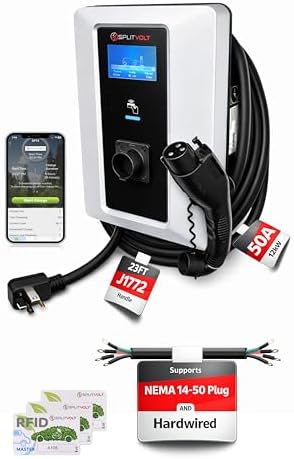
Splitvolt Level 2 Smart EV Charging Station
$310.19 price checked August 2026
Read our full Splitvolt Level 2 review
If you need mobility on the road, see our comparison of the best portable electric car charger for your next trip.
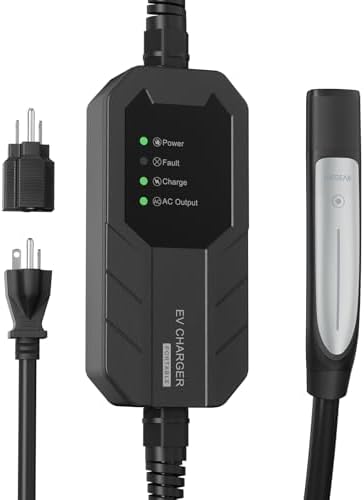

Level 1 and Level 2 Portable EV Charger
$159 price checked August 2026
Read our full Portable EV Charger review
Before you buy, make sure to verify the safety standards for EV chargers to ensure your home setup is compliant.
Is workplace charging a viable EV charger alternative?
Workplace charging involves utilizing the infrastructure provided by an employer to charge a vehicle during standard business hours. This method provides a “set and forget” experience where the vehicle is replenished while the driver is occupied with other tasks. For many, this is the most convenient alternative because it eliminates the need for a home charging solution entirely.
This route is often cheaper than home ownership because the infrastructure costs are absorbed by the employer, and some companies offer subsidized charging rates. It beats buying a home unit for employees who spend 8+ hours a day at an office and do not require overnight charging. It stops being a viable alternative if the workplace does not offer enough plugs to accommodate the number of employees with electric vehicles, or if the charging speed is too slow to provide a full charge during a standard shift.
What are the benefits of mobile EV charger options?
Mobile EV chargers, often referred to as portable chargers, allow you to plug into a standard household outlet (such as a NEMA 5-15 or 5-20) using a heavy-duty cord. These units are not permanent fixtures; they are moved from the vehicle to the power source as needed. They provide a way to get the same result as a wall-mounted station without the need for professional electrical work or permanent hardware.
Mobile charging is lower in cost than a permanent installation because it requires no professional electrical permits or permanent wiring. It beats buying a home charger when you are in a rental property where permanent changes are prohibited, or when you only need to charge the vehicle in emergencies. This option stops making sense when the charging speed is too slow—often limited by the 120V outlet—to provide a full charge in a reasonable timeframe, such as overnight.
Comparison of EV charging alternatives
| Route | Who it suits | Main advantage | Where it breaks down |
|---|---|---|---|
| Public Charging | Drivers without home parking | No installation costs | Limited availability and higher per-kWh costs |
| Workplace Charging | Office-based commuters | Convenience during work hours | Limited by workplace plug capacity |
| Mobile Charging | Renters or emergency users | No permanent hardware needed | Slow charging speeds from standard outlets |
When is buying a home EV charger the right choice?
Buying a home EV charger is the right answer when you own your property and have a dedicated parking space where a permanent installation is possible. It becomes the optimal choice when you require a consistent, high-speed charge (such as 11.5 kW or higher) that can fully replenish a vehicle’s battery overnight. If your daily driving requirements exceed the range of a single public charging session, or if your local electricity rates make home charging significantly cheaper than public rates, owning the hardware provides the most reliable and cost-effective long-term solution. Furthermore, if you require a J1772 or NACS connector that is integrated into a hardwired system for maximum safety and reliability, a dedicated home unit is the standard choice.