EV charger warranties typically span a range of 3 to 5 years for the hardware components. The most common reason a warranty claim is refused in this category is the failure to provide a professional installation certificate or proof that the unit was connected to a circuit meeting the manufacturer’s specific amperage and voltage requirements.
What does an EV charger warranty normally cover or exclude?
An EV charger warranty focuses on the internal electrical components and the integrity of the charging interface. Because these units are subject to high electrical loads and environmental exposure, the coverage is often specific to manufacturing defects rather than external damage.
- Internal circuit board failures
- Faulty internal relays or contactors
- Defects in the charging cable assembly
- Failure of the integrated LED indicators or display panels
- Manufacturing flaws in the housing material
Most warranties explicitly exclude issues caused by external factors or improper site preparation. If the charger fails because the home’s electrical infrastructure is insufficient, the manufacturer typically will not provide a replacement.
- Damage caused by lightning strikes or power surges from the grid
- Physical damage to the connector head or cable from vehicle impact
- Water ingress caused by improper mounting or flooding
- Damage resulting from use with non-compliant vehicles or adapters
- Failures caused by the user’s home circuit breaker tripping frequently
Reviewed examples from this category
3 reviewed options, $145.99 to $349, with the full write-up behind each name.

Level 1&2 EV Charger J1772 120V/240V
$145.99 price checked August 2026
If you need a mobile solution for road trips, see our guide to the best portable electric car charger.

PRIMECOM Level 2 Portable EVSE Smart Charger
$349 price checked August 2026
Read our full PRIMECOM Level 2 Charger review
Owners of Tesla vehicles can find the top rated ev charger for tesla in our comparison.
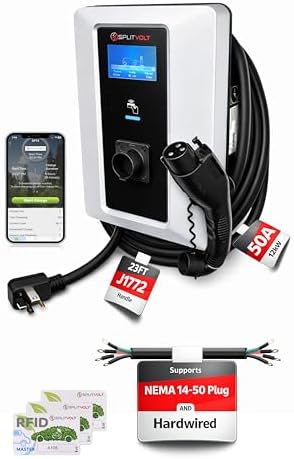
How does where you buy the EV charger affect the warranty?
The source of your purchase determines who handles the claim and whether the warranty remains valid. The path from the manufacturer to the end user can add layers of bureaucracy or risk.
Understanding your power requirements is easier when you learn the max amperage for ev chargers.
Direct from the manufacturer
Buying directly from the maker provides the most straightforward path for a claim. You deal with the entity that wrote the warranty terms, which usually results in faster processing and fewer questions about shipping costs for defective units.
Authorised retailers
Authorised retailers act as a bridge; they are approved by the manufacturer to sell the hardware and often provide a secondary layer of support. If a unit fails, the retailer may handle the initial troubleshooting before involving the manufacturer.
Marketplace sellers
Marketplace sellers often operate independently of the manufacturer. If you buy from a third-party seller on a large platform, the manufacturer may refuse to honor the warranty because the seller is not an authorised distributor. You may be forced to deal with the seller for a replacement rather than a repair.
Refurbished or open-box sellers
Refurbished units often come with a significantly shorter warranty, frequently limited to 90 days or one year. Many manufacturers explicitly void the original factory warranty the moment the unit is sold as “open-box” or “refurbished” by a third party.
Importers or grey-market sellers
Grey-market sellers import units from regions where the manufacturer does not have a legal presence. These units often lack a local warranty, meaning you may have to ship the unit back to another country at your own expense to receive a repair or replacement.
What actions specifically void an EV charger warranty?
Specific actions involving the installation and operation of the EV charger can void coverage immediately. Because these devices manage high-voltage electricity, manufacturers are strict about how the unit is integrated into a home.
To ensure you can reach your parking spot easily, compare different cable lengths for ev chargers.
Unauthorized electrical modifications
Opening the internal housing or attempting to rewire the internal components voids the warranty. Only the manufacturer’s certified components should be used in the assembly.
Incorrect circuit pairing
Installing the charger on a circuit that does not meet the required amperage—such as a 40 Amp threshold for a 11.5 kW output—can void the warranty. If the unit overheats due to under-provisioning, the manufacturer may attribute the failure to the installation rather than a defect.
Non-standard cable use
Using third-party charging cables or adapters that are not certified for use with the specific charger model can void coverage. If a non-standard cable causes a short circuit or melts the connector, the warranty will not cover the damage.
What should you do before buying to ensure a future claim works?
Taking specific steps before the charger is mounted ensures that you have the necessary documentation to support a claim if the hardware fails.
- Request a written warranty summary from the seller before completing the purchase.
- Confirm the specific duration of the hardware warranty versus the software support period.
- Document the serial number and take a photo of the unit before it is mounted.
- Ensure your installer provides a signed certificate of completion that confirms the circuit meets the charger’s requirements.
- Keep the original packaging and all included mounting hardware for at least 30 days after installation.
- Verify if the warranty covers shipping costs for a replacement unit or if you must pay to send a faulty unit back.
When is an extended warranty worth it for an EV charger?
An extended warranty is worth it if the manufacturer’s standard coverage is less than 3 years or if the product is sold by an unauthorised third party. If you are buying directly from a manufacturer with a 5-year hardware warranty, an extended plan is usually unnecessary. However, if you are purchasing from a marketplace seller or a grey-market importer, an extended warranty provided by a reputable local third party can provide essential protection against a lack of manufacturer support.