Drivers seek tire pressure monitoring to ensure optimal fuel efficiency, consistent vehicle handling, and early detection of slow leaks. While installing a dedicated tire pressure sensor is the standard way to achieve this, it is not the only method for monitoring and maintaining tire health.
Can a mechanic install a TPMS system for me?
A professional mechanic can install a tire pressure monitoring system (TPMS) as a complete service including hardware sourcing, installation, and programming. This route costs more than buying hardware alone because it includes the labor of a technician and the specialized equipment needed to sync sensors to the vehicle’s computer.
This option beats buying a sensor and attempting a DIY installation when the vehicle uses a complex proprietary protocol or requires specialized programming tools. Many modern vehicles require specific diagnostic software to “marry” the sensors to the internal control module. If you lack the correct OBDII tools or the technical knowledge to handle the wiring, paying a technician ensures the system functions correctly from the first start.
This service stops making sense if your vehicle already has a factory-installed system that merely needs a sensor replacement. In those cases, the labor cost of a full system installation is unnecessary compared to a simple sensor swap.
Where these choices show up in our reviews
3 reviewed options, $109.99 to $127.96, with the full write-up behind each name.
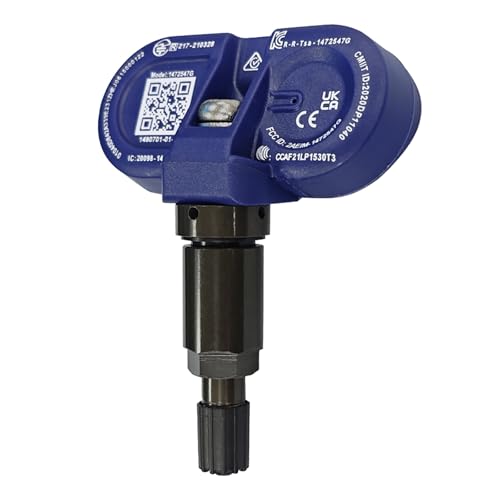
Tesla BLE Bluetooth TPMS Sensor
$114.95 price checked August 2026
Read our full Tesla TPMS Sensor review
You can also find the best replacement TPMS sensor for GM Ford and Toyota to see how various brands compare for these specific vehicle makes.
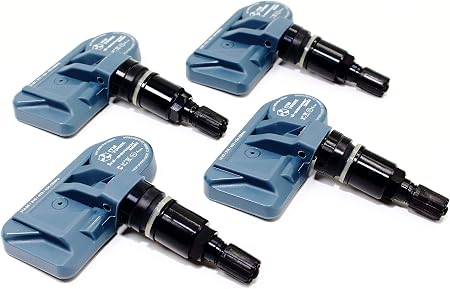
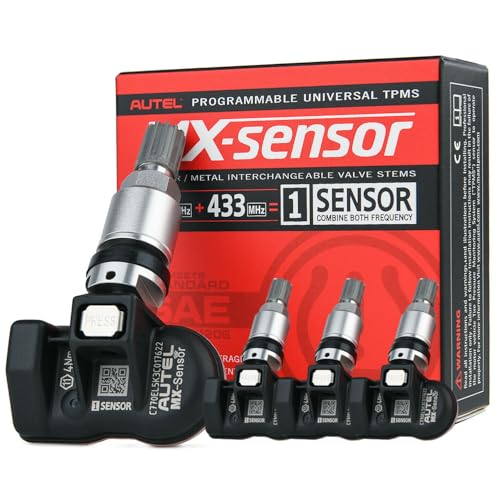
Autel MaxiTPMS 315MHz/433MHz 2 in 1 with MX-Sensor
$127.96 price checked August 2026
Read our full Autel MaxiTPMS review
Understanding your vehicle’s requirements is easy when you learn how to choose the correct operating frequency for your new sensors.
Are there digital alternatives to TPMS sensors?
Digital alternatives to TPMS sensors involve using external hardware that monitors pressure without being permanently mounted inside the tire. This includes high-frequency Bluetooth (BLE) monitors or handheld digital gauges that provide a snapshot of the current pressure.
These digital tools cost less than permanent sensors because they do not require specialized hardware components or complex installation procedures. They are often portable and can be used across multiple vehicles. This route beats buying a sensor for users who only need to check pressure during routine trips or for those who do not want to modify their wheels or tires.
Digital monitoring stops making sense if you need real-time, continuous alerts while driving. Because these devices are often external or require manual activation, they may not provide the immediate “low pressure” warning that a permanent sensor provides during a long highway drive.
Is manual checking a viable alternative to TPMS?
Manual checking of tire pressure involves using a standard pressure gauge to verify the PSI in each tire at regular intervals. This is the most basic method of monitoring and requires no electronic hardware or installation.
Manual checking is the lowest-cost alternative to TPMS sensors. It requires only the purchase of a basic gauge, which is a one-time cost significantly lower than any electronic system. This beats buying a sensor for drivers who prioritize cost-savings and are willing to perform a quick check once a week or before long journeys.
Manual checking stops making sense for drivers who frequently travel long distances or those who want to detect a slow leak immediately. A manual check only identifies a problem at the moment of measurement, whereas a sensor provides constant oversight.
Comparison of Monitoring Methods
| Route | Who it suits | Main Advantage | Where it breaks down |
|---|---|---|---|
| Professional Installation | Owners of complex modern vehicles | Guaranteed compatibility and programming | Highest total cost including labor |
| Digital/BLE Monitors | Multi-vehicle owners or occasional travelers | No permanent installation required | Lack of constant real-time monitoring |
| Manual Gauging | Budget-conscious, low-mileage drivers | Lowest possible cost | No proactive alerts for slow leaks |
When is buying a TPMS sensor the right choice?
Buying a tire pressure sensor is the correct choice when you need constant, real-time monitoring to ensure safety and performance. It is the necessary route for drivers who want to receive immediate dashboard alerts for pressure drops, as this is the only way to detect a puncture while the vehicle is in motion. It is also the correct choice when your vehicle’s safety requirements or local regulations mandate a functioning TPMS system. If you drive a high-mileage vehicle or frequently transport heavy loads, the automated safety of a permanent sensor outweighs the lower cost of manual or digital alternatives.